The first time I unrolled a panel of peel-and-stick wallpaper in a rental bedroom, I was convinced I would ruin the wall and lose my deposit in one confident afternoon. Two hours later I had a feature wall I loved and, months after, it came off without leaving a mark. That gap between the fear and the reality is exactly what this guide is about.
Peel-and-stick wallpaper has become the go-to renter upgrade for a reason, but the internet oversells how effortless it is. Here is the honest, experience-based version from years of renting in Minneapolis: where it shines, where it fails, and how to use it so it comes off as cleanly as it went up.
What peel-and-stick wallpaper actually is
Peel-and-stick wallpaper is a self-adhesive material, usually a vinyl or fabric-backed film, printed with a pattern and backed with a removable glue. You peel off a paper liner and press it onto the wall, no paste, water tray, or booking time required.
The appeal for renters is obvious: peel-and-stick wallpaper promises the look of a wallpapered room without the permanence or the professional install. The catch is that it is not truly foolproof, and results depend heavily on your walls, your patience, and the specific product you buy.
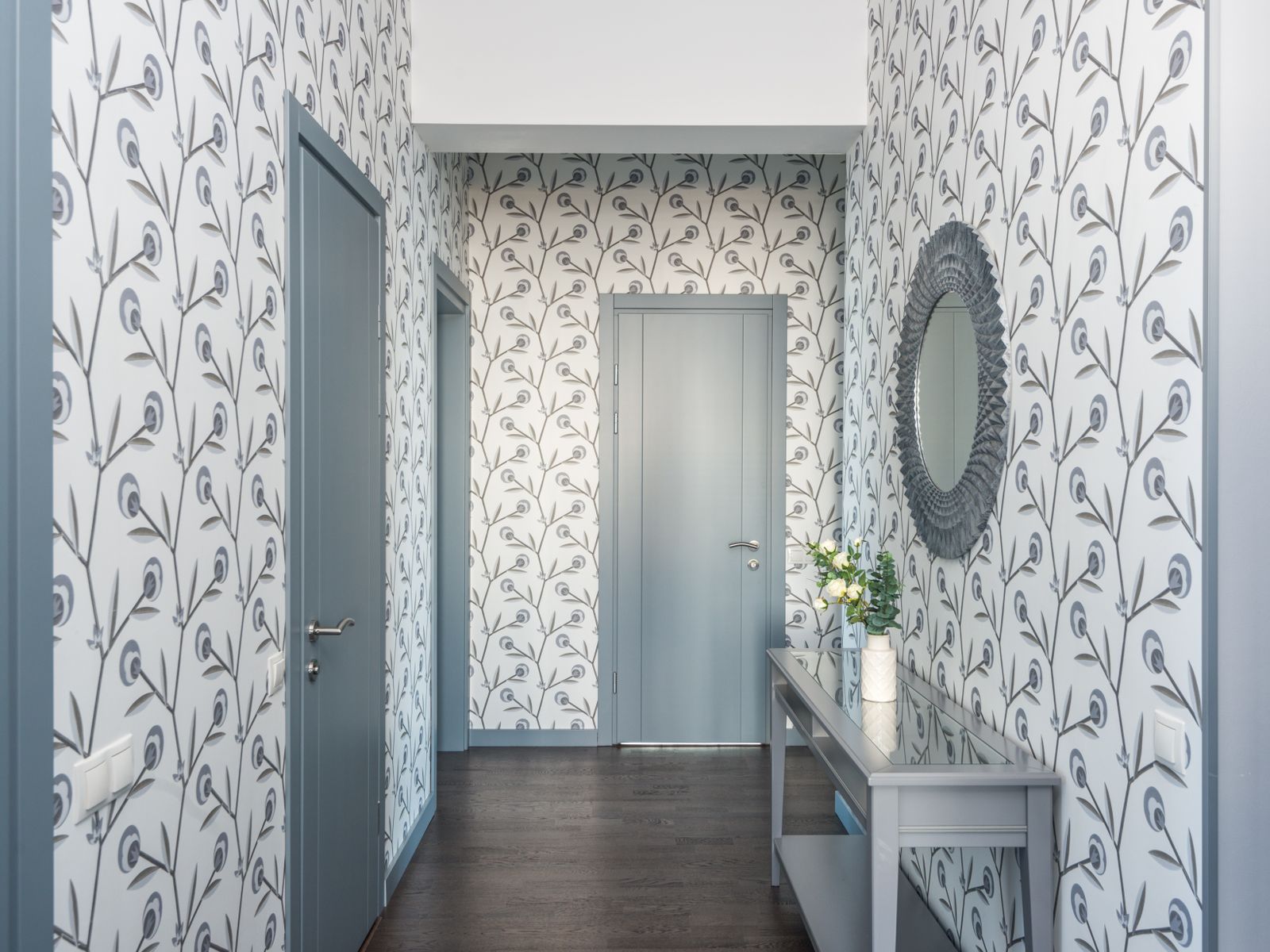
Does peel-and-stick wallpaper damage walls?
This is the question that keeps renters up at night. In my experience, a quality product on smooth, well-cured, satin or semi-gloss painted walls removes cleanly. Problems arise on flat matte paint, freshly painted walls, or cheap builder-grade paint, where the adhesive can grab the paint and pull it off in patches.
Whether any resulting mark counts as damage or normal wear and tear varies by state, city, and the wording of your lease, so read your agreement and check local tenant resources such as HUD tenant rights guidance before you commit a whole room. When possible, test a small piece in a closet and leave it a week before wallpapering a visible wall.
The renter-safe test patch
Apply a six-inch square of the wallpaper in an inconspicuous spot. Wait several days, then remove it slowly. If the paint stays put, you are clear to continue; if it lifts even slightly, limit yourself to a low-risk surface or skip it.
Where it works best in a rental
Peel-and-stick wallpaper is happiest on a single accent wall, the back of a bookshelf, inside a closet, or on a removable panel you can mount and take with you. These spots give you high visual payoff with low risk.
Avoid high-moisture zones like directly behind a stove or inside a shower surround, where steam and grease undermine the adhesive. Textured walls are another common failure point because the film cannot bond to the peaks and valleys, leaving bubbles and lifting edges.
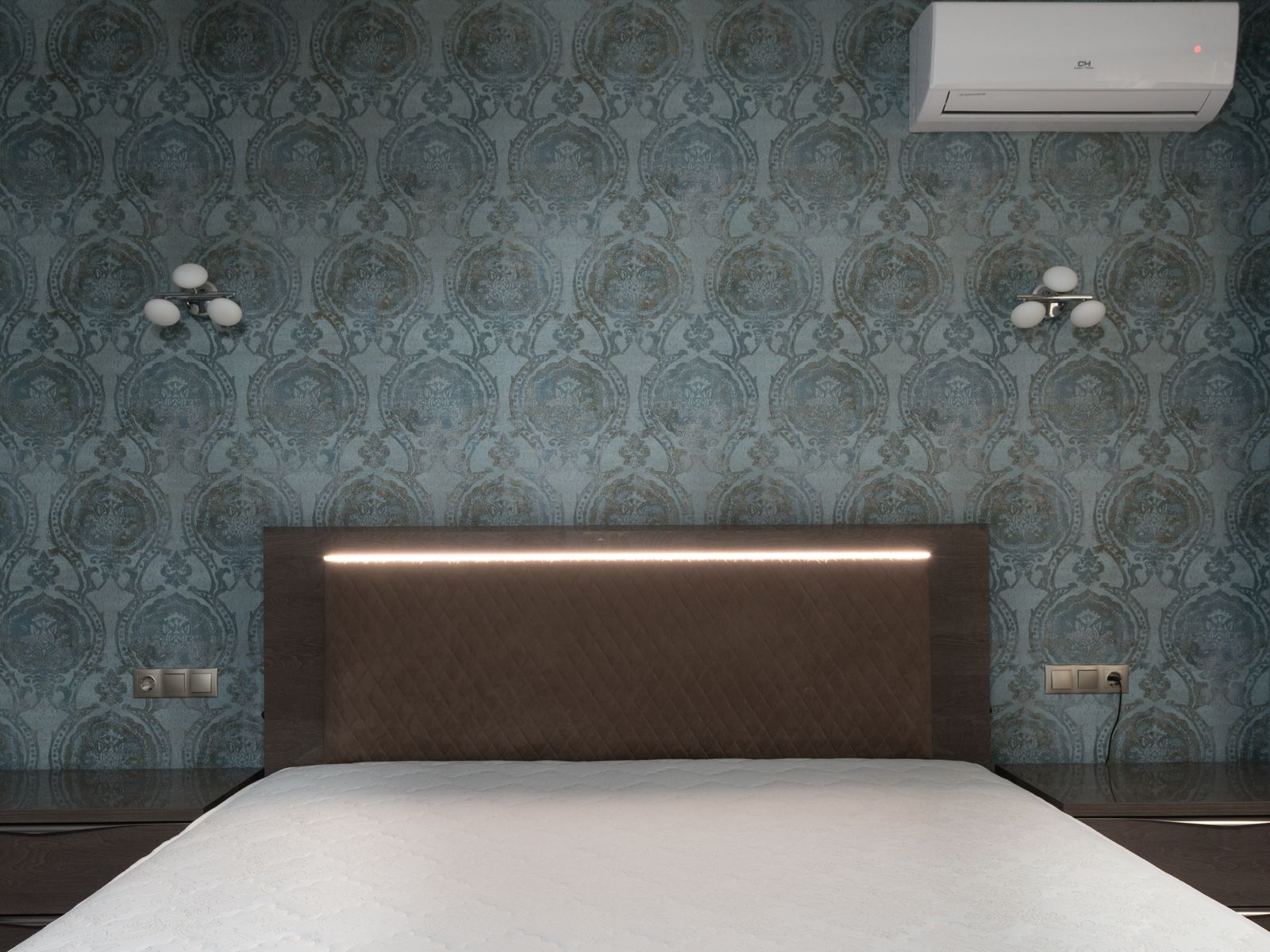
How to apply it without bubbles
Application is where most wallpaper regret is born, and it is entirely avoidable. Clean the wall with a little rubbing alcohol and let it dry. Measure your wall height, add a couple of inches, and cut panels to length, matching the pattern between strips.
- Start at a corner or a plumb line, not the wall edge, which is rarely straight.
- Peel back only the top few inches of liner and align the panel before pressing.
- Smooth downward and outward with a felt squeegee or a credit card wrapped in cloth.
- Peel the liner gradually as you go, chasing out bubbles toward the nearest edge.
- Overlap each new panel slightly and trim excess with a sharp blade against a ruler.
Work slowly and keep the panels aligned; the film is forgiving because you can lift and reposition it while you work, so use that to your advantage rather than rushing.
Choosing a pattern you will not tire of
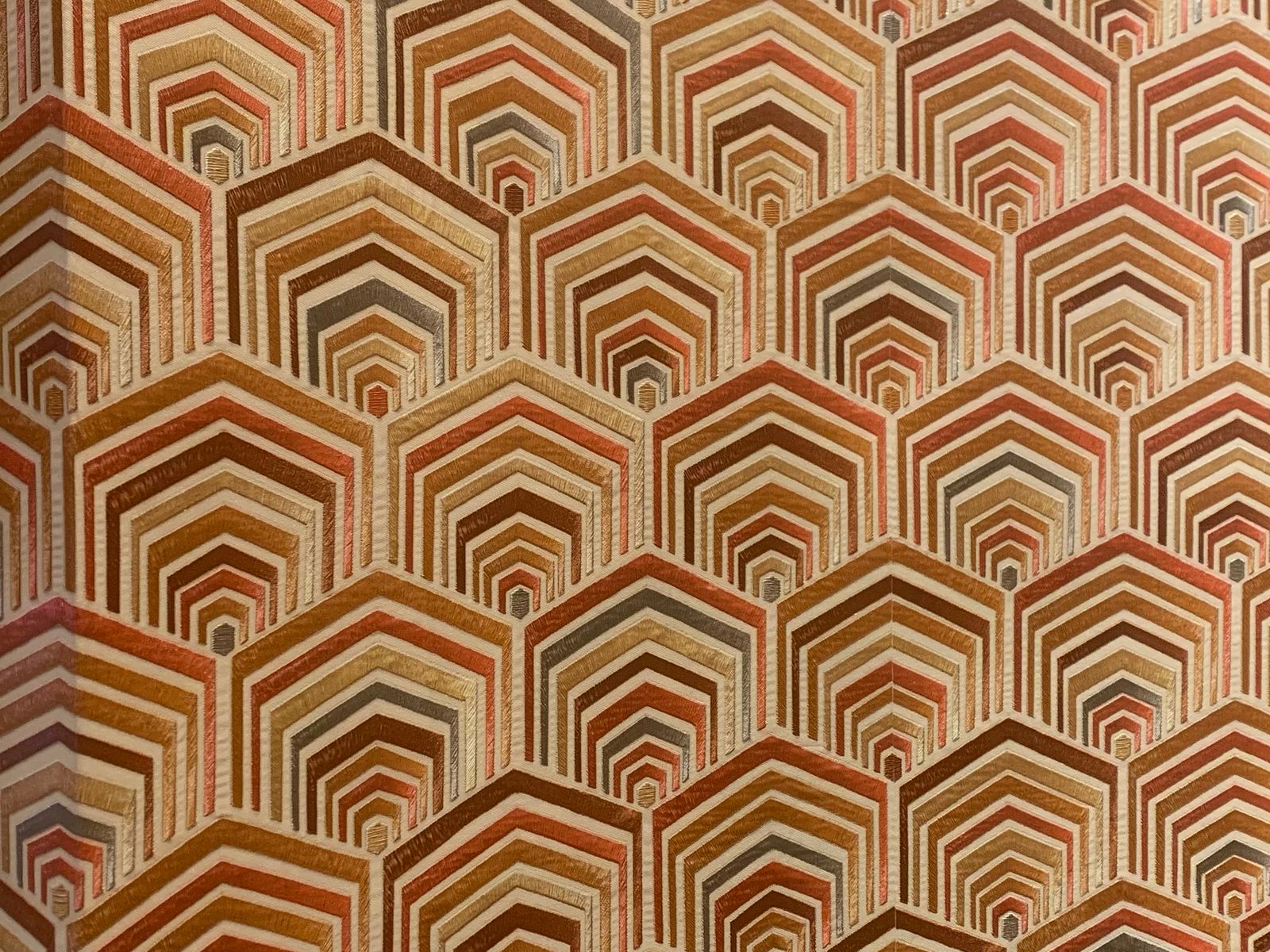
Bold prints photograph beautifully but can overwhelm a small rental. For a first project, a subtle geometric or a small-scale botanical hides seams and misalignment far better than a large, precise pattern where every offset shows.
Order a single roll first to check the color and scale in your actual light before buying enough for the whole wall. Screens lie about color, and a print that looked moody online can read garish on your wall at noon.
Budget and coverage
Expect to pay roughly 1 to 4 dollars per square foot for a decent product, with designer brands climbing higher. A standard accent wall of about 40 to 60 square feet usually runs 60 to 200 dollars in materials, plus an hour or two of your time and a cheap squeegee.
Removing it cleanly at move-out
When the lease ends, warm a corner gently with a hair dryer to soften the adhesive, then peel slowly at a low angle, pulling the peel-and-stick wallpaper back on itself rather than straight out. Go slow around seams and edges where it grips hardest.
If any adhesive residue lingers, a damp cloth or a dab of rubbing alcohol usually lifts it. Photograph the bare wall afterward so you have documentation that the surface came through intact, which protects you in any deposit conversation.
Peel-and-stick wallpaper versus painting and traditional paper
Renters often weigh peel-and-stick wallpaper against a coat of paint, but most leases forbid painting or require you to return the walls to their original color at your own cost. Wallpaper you can remove sidesteps that obligation entirely, which is a real financial advantage at move-out.
Compared with traditional pasted wallpaper, the peel-and-stick version is dramatically more forgiving. There is no wet paste to drip, no soaking time, and no risk of the paper tearing as it swells. The trade-off is that traditional paper tends to hide wall imperfections better and lasts longer, which rarely matters in a temporary rental.
When to call it and choose something else
If your walls are heavily textured, freshly painted within the last month, or coated in flat builder paint that failed your test patch, peel-and-stick wallpaper is fighting an uphill battle. In those cases, a large framed fabric panel, a tension-mounted room divider, or a removable wall decal gives you color and pattern without the adhesion gamble.
Common mistakes that ruin the result
The biggest mistake is skipping the test patch and committing to a whole wall on faith. The second is starting at the wall edge instead of a plumb line, which sends every subsequent panel crooked. The third is rushing the smoothing step, which traps bubbles you will stare at forever.
One more subtle error: buying too little. Running out mid-wall often means a new order with a slightly different dye lot, and the color mismatch is maddening. Measure carefully and add ten to fifteen percent for pattern matching and trimming errors.
A realistic time estimate
For a first-timer, a single accent wall takes about two to three hours from cleaning to final trim, plus the week you spent on the test patch. Give yourself a calm afternoon rather than squeezing it in before guests arrive, and the job goes far more smoothly.
It also helps to set your expectations about longevity. In a rental you are decorating for the length of your lease, not for a decade, so a product that looks crisp for two or three years is more than enough. That framing takes the pressure off and lets you experiment with a bolder look than you might risk in a home you own.
Keep a small offcut from your project rolled up in a closet. If a corner ever lifts or a seam catches, you have an exact match on hand for a quick patch, and you avoid the dye-lot headache of ordering a fresh roll months later. Little habits like this are what separate a wall that still looks great at move-out from one you are quietly embarrassed by.
Conclusion: a low-risk way to make a rental yours
Used thoughtfully, peel-and-stick wallpaper is one of the most satisfying renter upgrades there is: a weekend project that transforms a room and leaves no trace when you go. The secret is not skill so much as patience and a good test patch.
Your next step: pick one accent wall, order a single roll in a small-scale pattern, and run a week-long test patch this weekend. If the paint holds, wallpaper the wall next weekend and enjoy a space that finally feels like yours.

Luiza Ferraz writes about making rental spaces feel like home. Based in Minneapolis, Minnesota, she shares practical, damage-free upgrades, smart organization hacks, and proven ways to protect your security deposit. Her goal is to help renters create beautiful homes without ever picking up a drill.