There is a quiet hero living in most renters’ bathrooms, and it is currently doing the single most boring job it will ever have. Your shower curtain rod, that spring-loaded metal pole wedged between two walls, is capable of far more than holding up a plastic liner. It just needs a chance to prove it.
Tension rods are the ultimate renter tool: they hold weight, span gaps, and divide space without a single screw, nail, or drop of adhesive residue. When you move out, they pop right off and leave the walls exactly as you found them. Here are twelve genuinely useful ways to put them to work all over your apartment.
Why Tension Rods Are a Renter’s Best Friend
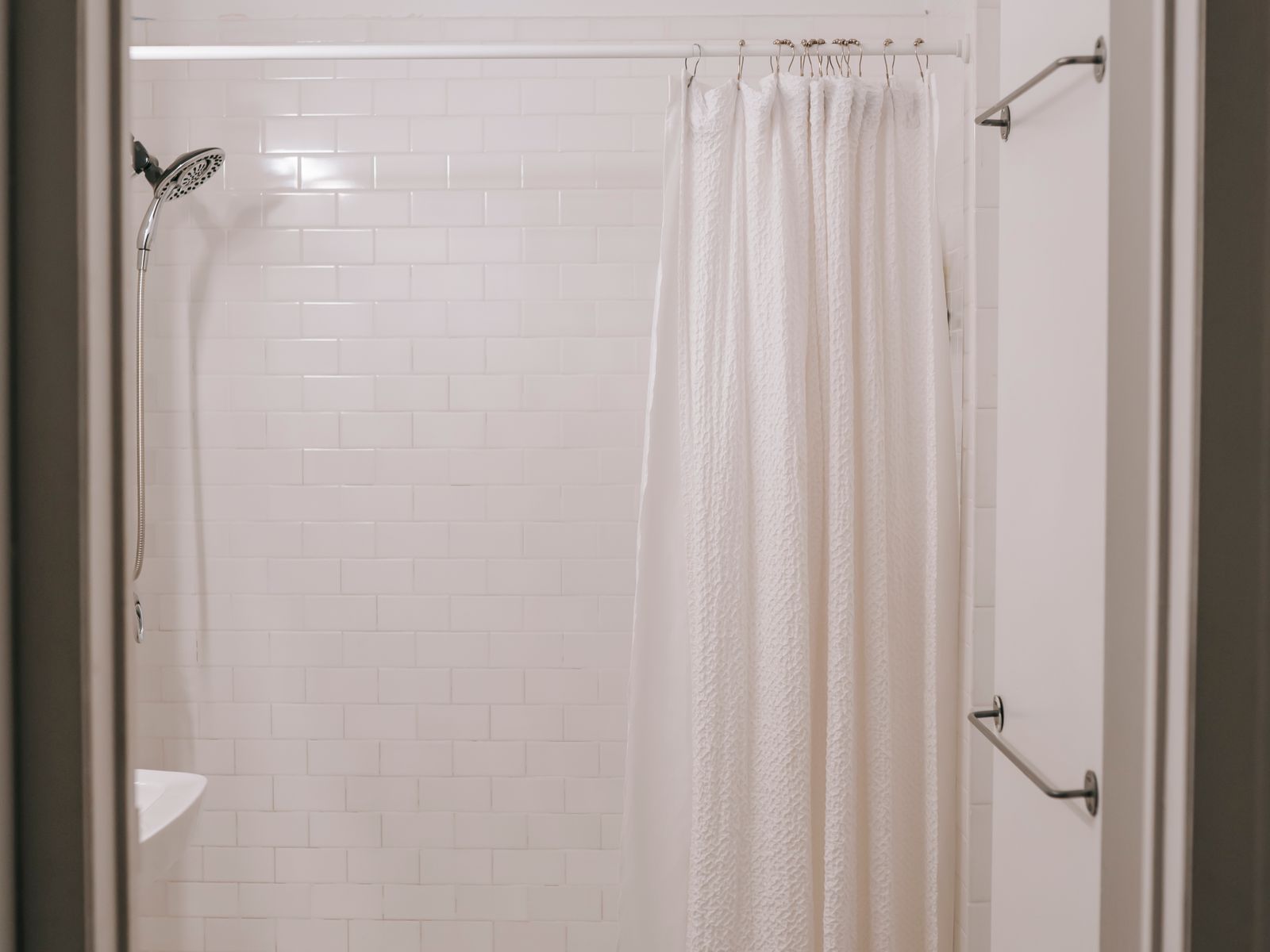
A tension rod works by pushing outward against two opposing surfaces, using a spring or a twist mechanism to lock itself in place. That means zero permanent mounting, which is exactly what you want when your lease forbids holes or you would rather protect your deposit.
They come in a huge range of sizes and strengths, from slim rods that hold a few ounces to heavy-duty ones rated for several pounds. The key is matching the rod to the job: a lightweight rod will sag or slip under real weight, so check the package rating before you load it up. If you have already mastered hanging curtains without drilling, you know the feeling of a well-placed rod doing all the work for you.
If you rent in an older building, tension rods are especially handy because you are often working around quirks: a too-shallow closet, a bathroom with no towel bar, a kitchen with barely any cabinet space. Rather than fighting the layout, a rod lets you add function exactly where the apartment forgot to.
12 Clever Uses Beyond the Shower Curtain
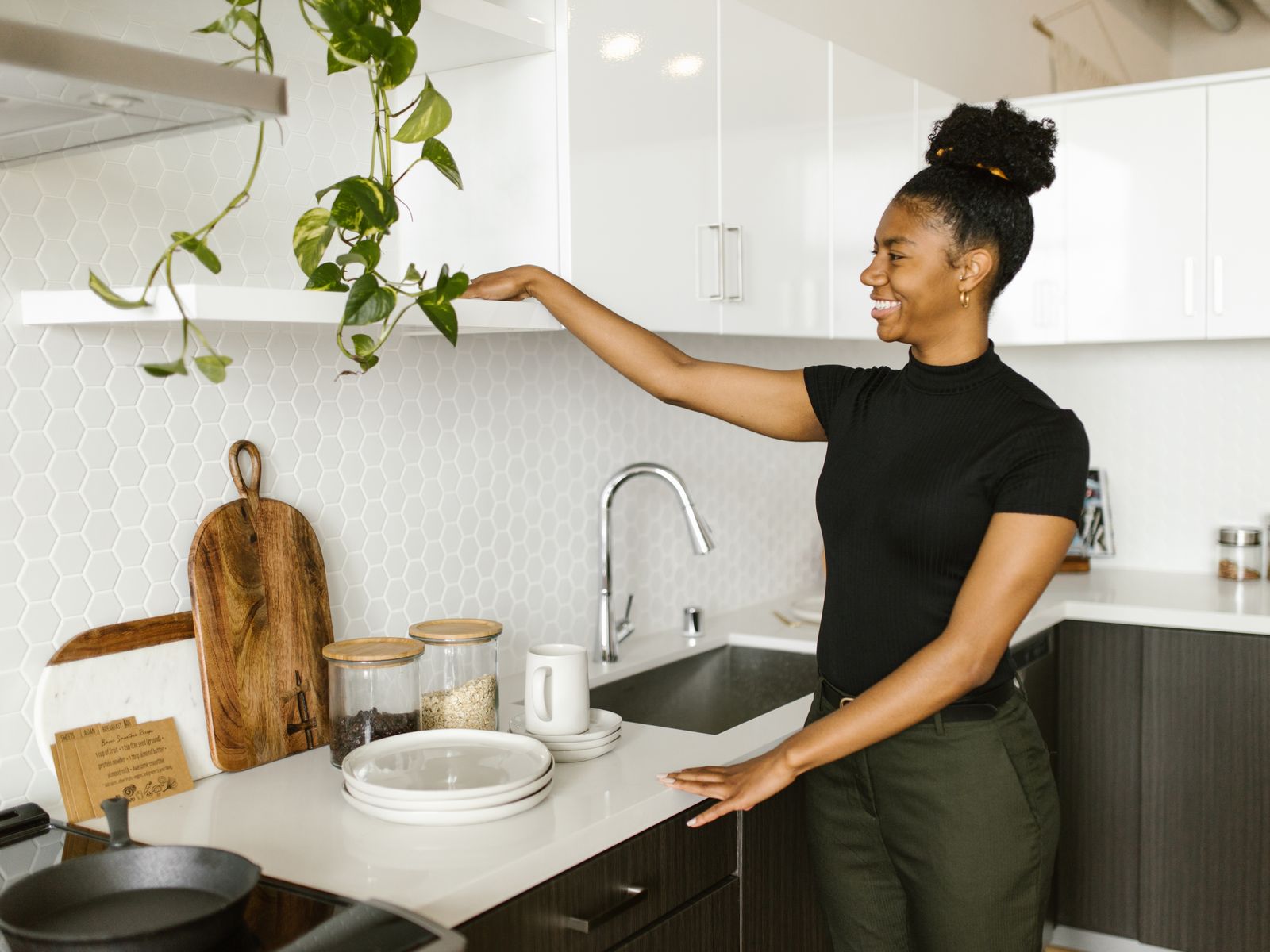
Once you start seeing your apartment as a series of gaps waiting to be spanned, the ideas come quickly. Here are twelve of the most useful, roughly grouped by room.
- Under-sink cleaning caddy: mount a short rod near the top of the cabinet and hang spray bottles by their trigger handles to free up the floor.
- Cabinet lid divider: stand a rod vertically (or a few horizontally) inside a cabinet to keep pot lids, cutting boards, and baking sheets upright.
- Drawer organizer: place small rods across a wide drawer to create adjustable compartments for utensils or office supplies.
- Pantry shelf divider: use rods as low rails to stop packets and pouches from toppling over.
- Room divider curtain: a heavy-duty rod plus a curtain panel carves a bedroom nook out of a studio.
- Closet shoe rail: a low rod lets you hang heels by the heel and reclaim floor space.
- Scarf and accessory bar: a slim rod inside a closet keeps scarves, belts, and bags visible.
- Kids’ art or bookshelf display: a rod plus curtain clips turns a wall gap into a rotating gallery.
- Under-window plant shelf support: pair two rods to hold a lightweight tray of herbs.
- Cabinet-front dish towel bar: a mini rod inside a cabinet door hides drying towels.
- Gift wrap and craft roll holder: a rod through wrapping-paper tubes keeps them from unspooling.
- Laundry drying line: a rod over the tub becomes an instant, removable drip-dry rack.
Not every idea suits every apartment, but even three or four of these can transform how a small rental functions. The kitchen ones alone pair beautifully with other no-screw kitchen organization tricks.
Choosing the Right Tension Rod for the Job
Match the diameter to the weight
Thin rods (about half an inch) are fine for towels, scarves, or a light valance. For curtains that get tugged daily, a room divider, or anything holding real weight, step up to a thicker rod rated for a few pounds or more. The package almost always lists a weight limit; trust it.
Measure the gap twice
Tension rods work within a range, so measure the opening and buy a rod whose middle range matches your gap, not one at the very edge of its limit. A rod stretched to its maximum has the least holding power and is the one most likely to fall at 2 a.m.
Protect the walls it presses against
On painted drywall, a rod cranked too tight can leave a small dent or scuff over time. A cheap fix is a felt pad or a rubber furniture cushion between the rod tip and the wall. This spreads the pressure and keeps your surfaces move-out ready.
Give heavy rods a “shelf” to rest on
For a room-divider curtain or any rod holding steady weight, you can add insurance without drilling: a pair of stick-on cup hooks or small adhesive brackets under each end gives the rod something to rest on if the tension ever slips. Because these come off cleanly, you keep the whole setup renter-safe while gaining real peace of mind.
Where Tension Rods Struggle (Be Honest)

Tension rods are not magic. They rely on friction, so they perform worst on slick surfaces like glossy tile or glass, and best against textured drywall or wood. If a rod keeps sliding, a small square of rubberized shelf liner behind each end adds grip.
They also have honest weight limits. Do not trust a tension rod to hold a heavy mirror, a full closet of winter coats, or anything whose fall could hurt someone or damage the wall. For heavier hanging jobs, other reversible methods are safer; our comparison of command strips versus adhesive hooks covers what actually holds serious weight.
One more honest note on deposits: even damage-free tools can leave marks if misused, and what your landlord can deduct for varies by state, city, and your specific lease. If a rod dents the wall, you may still be responsible, so treat “damage-free” as a goal that depends on careful use, and check your lease and local tenant resources if you are unsure.
A final tip for renters who move often: keep the packaging or note each rod’s size range in your phone. When you land in the next apartment, you will already know which rods fit which gaps, and you can rebuild your whole system in an afternoon instead of buying everything over again. Small habits like this are what make tension rods feel less like a gadget and more like a portable toolkit you carry from lease to lease.
A Quick Cost and Time Reality Check
The best part of the tension-rod approach is how little it asks of you. A basic rod runs about $6 to $12, a heavy-duty one $15 to $25, and installation takes under two minutes with no tools. For under fifty dollars you could re-organize a whole apartment’s worth of small spaces.
Compared with drilling, mounting hardware, or buying custom organizers, that is an extraordinary return. And because everything comes down in seconds on moving day, you carry your system to the next rental instead of leaving it behind. Authoritative renter guidance, such as HUD’s tenant rights resources, is a good reminder that keeping changes reversible is one of the smartest habits a renter can build.
It also helps to think in systems rather than single rods. A studio dweller might use one heavy rod to curtain off a sleeping nook, a slim rod inside the closet for accessories, and two short rods under the sink, all working together to make 400 square feet feel intentional instead of cramped. Each piece is cheap on its own, but the combined effect is what actually changes how a small home feels day to day.
The Bottom Line
Tension rods punch far above their price. They solve real storage and privacy problems, install in seconds, and leave no trace, which makes them close to a perfect renter product. The shower is just the beginning.
Your next step: walk through your apartment this week and note every awkward gap, from the space under the sink to the sliver beside the fridge. Buy one or two rods sized for the jobs that bug you most, and let the small wins build from there.

Luiza Ferraz writes about making rental spaces feel like home. Based in Minneapolis, Minnesota, she shares practical, damage-free upgrades, smart organization hacks, and proven ways to protect your security deposit. Her goal is to help renters create beautiful homes without ever picking up a drill.