It is 7 a.m., the sun is blasting through the bare bedroom window, and the neighbor across the way can see straight into your apartment while you hunt for coffee. You do not want to drill for blinds you cannot take with you, and the landlord’s beige mini-blinds are somewhere between broken and depressing.
Removable window film is the quiet fix renters overlook. It delivers privacy, softens harsh light, and adds real style, all without a single screw, and it peels off cleanly when you leave.
Why removable window film works for renters
Most window film is static-cling vinyl that clings to glass with nothing but water, no adhesive at all. That means no residue, no holes, and no argument with your landlord about damage when you move out.
It is also renter-portable in a way blinds never are. If the film still has life left, you can peel it, roll it loosely, and reapply it on a similar window in your next place, stretching the value even further.
It also solves several problems at once. A single sheet can add privacy, cut glare, filter UV rays that fade your furniture, and hide an ugly view, all for a fraction of what custom blinds cost.
There is a budget angle too. Custom blinds for a single window can run $60 to $200 installed, while a roll of film covers one or more windows for under $30. For renters who move every year or two, that math is hard to argue with.
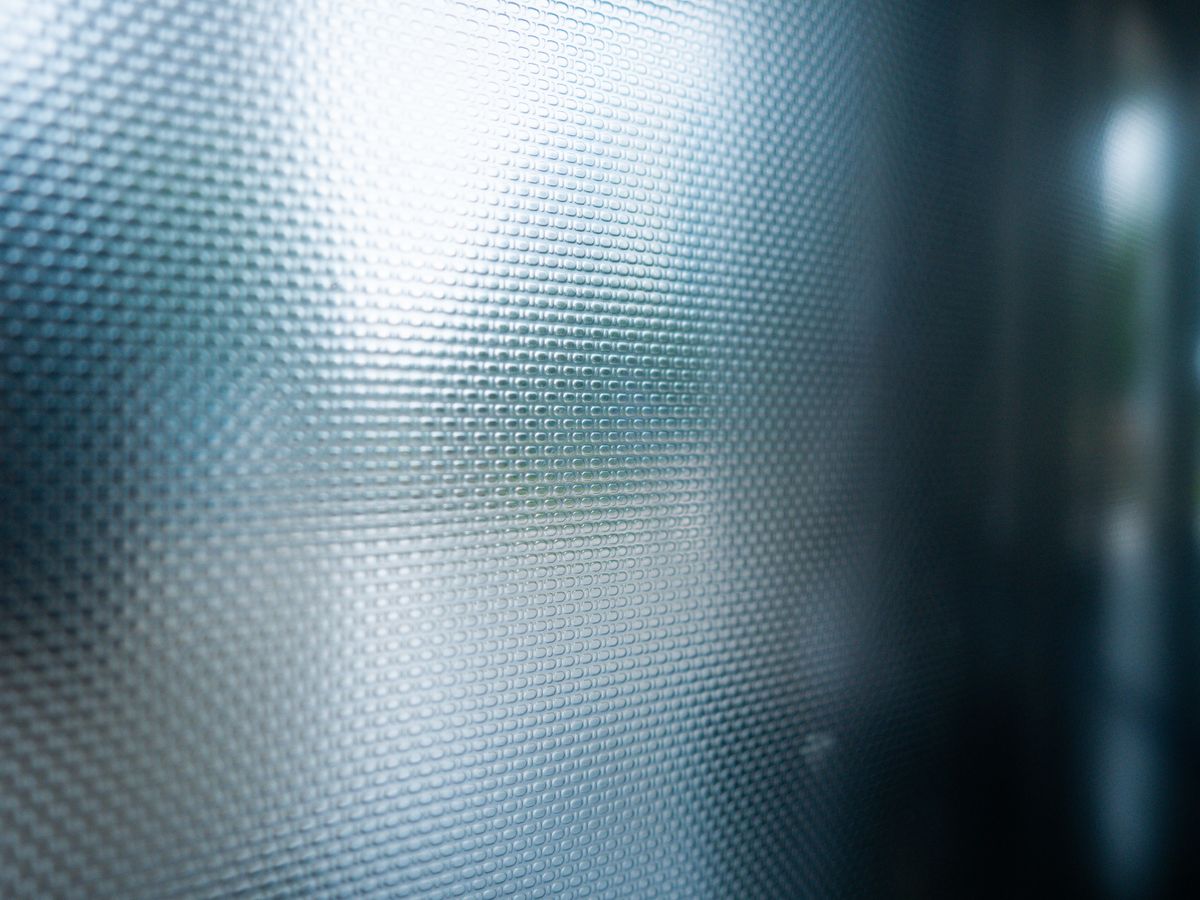
Types of window film and what each does
The category is bigger than the frosted glass look most people picture. Matching the film to your actual problem is what makes the result feel intentional.
- Frosted or etched-glass film ($8 to $25 a roll): daytime privacy while still letting light through, ideal for bathrooms and street-facing windows.
- Decorative or stained-glass film ($12 to $30): adds color and pattern, great for a plain window you want to make a feature.
- Mirror or one-way film ($15 to $40): reflects during the day for privacy, though it reverses at night when interior lights are on.
- UV and heat-control film ($20 to $50): reduces fading and can take the edge off a hot, sun-baked room.
For a bedroom you want dark, remember that film alone rarely blocks all light. Pairing it with a curtain gives you both privacy by day and darkness by night.
Also think about direction of view. Frosted film gives privacy in both directions during the day, while mirror film only works while it is brighter outside than inside. If people walk past your window after dark, plan for a curtain to cover the reversal.
Static cling versus adhesive
Static-cling film is the renter’s best friend because it repositions and removes without a trace. Adhesive film sticks more permanently and can be harder to remove cleanly, so read the label and choose cling whenever your deposit is on the line.
If a product only lists an adhesive version in the pattern you love, test a small piece on an inconspicuous corner first and confirm it lifts cleanly before committing to the whole window.
How to install removable window film in under an hour
Installation is genuinely beginner-friendly. Budget about 20 to 40 minutes per average window, and less once you have done one.
You need almost nothing: the film, a spray bottle of water, a squeegee or an old credit card, a ruler, and a sharp utility knife. Total tool cost is a few dollars if you do not already own them.
- Clean the glass thoroughly and dry the edges; any dust becomes a trapped bubble later.
- Measure and cut the film about half an inch larger than the pane on all sides.
- Mist the glass generously with water from a spray bottle (a drop of dish soap helps it slide).
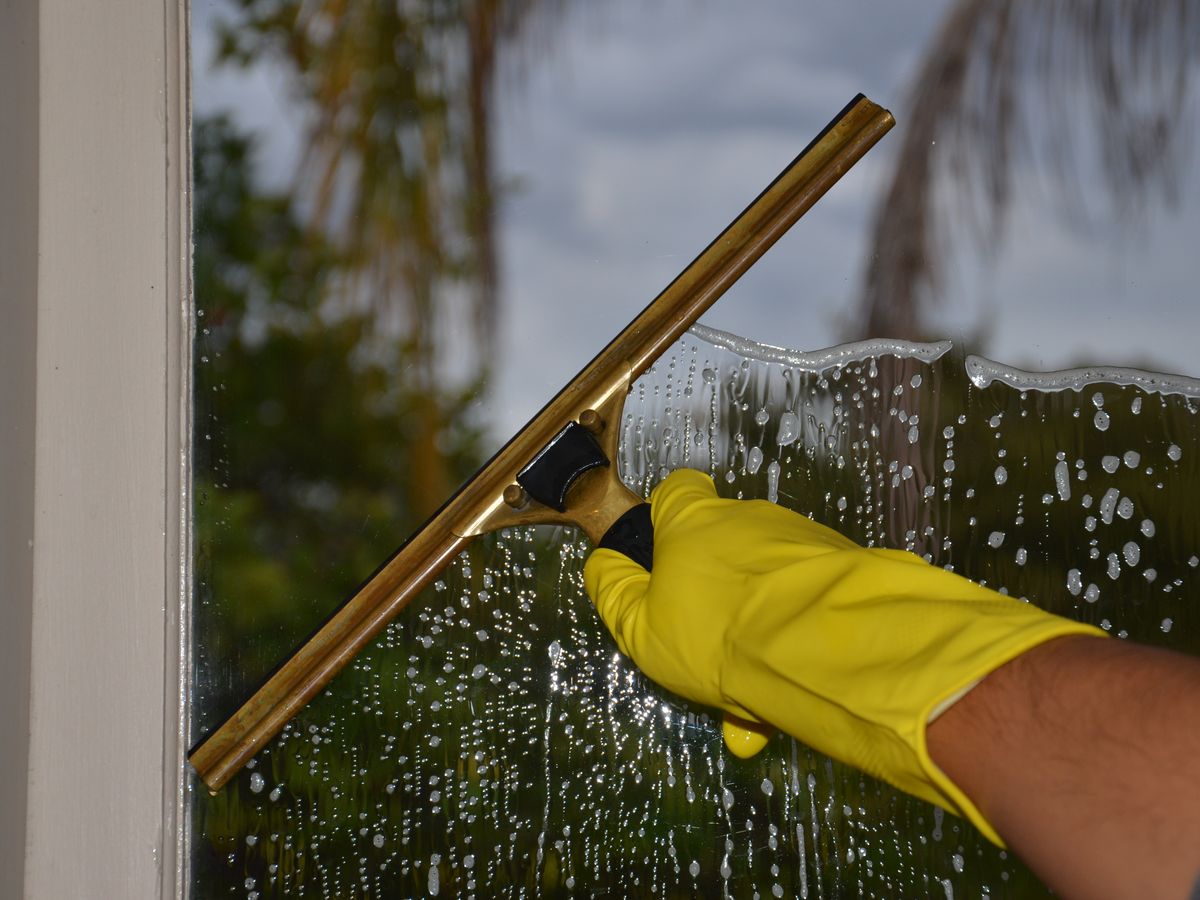
- Peel the backing, press the film to the wet glass, and smooth from the center outward with a squeegee or credit card.
- Trim the excess with a utility knife along the edge for a clean, custom fit.
Fixing bubbles and wrinkles
Bubbles are the most common first-timer frustration, and they are easy to fix. While the glass is still wet, lift the nearest edge, re-mist, and re-smooth toward the bubble to push the water out.
A stubborn tiny bubble can be pricked with a pin and pressed flat. Because static-cling film repositions freely, you can peel the whole sheet and start over without wasting it, which takes the pressure off getting it perfect on the first try.
Style ideas that do not read as temporary
The trick to making removable window film look deliberate is treating it like design, not damage control. A geometric gradient film on a kitchen window catches morning light beautifully, while a simple linen-texture frost reads clean and modern anywhere.
For small rentals, film can visually enlarge a room by keeping light flowing where solid blinds would block it. A gradient that is opaque at the bottom and clear at the top gives you privacy at eye level while the ceiling stays bright and open.
Think about the whole room, too. The same reversible mindset behind learning to cover ugly rental floors without replacing them applies here: layer temporary upgrades so the space feels cohesive rather than patched together.
Pairing film with soft treatments
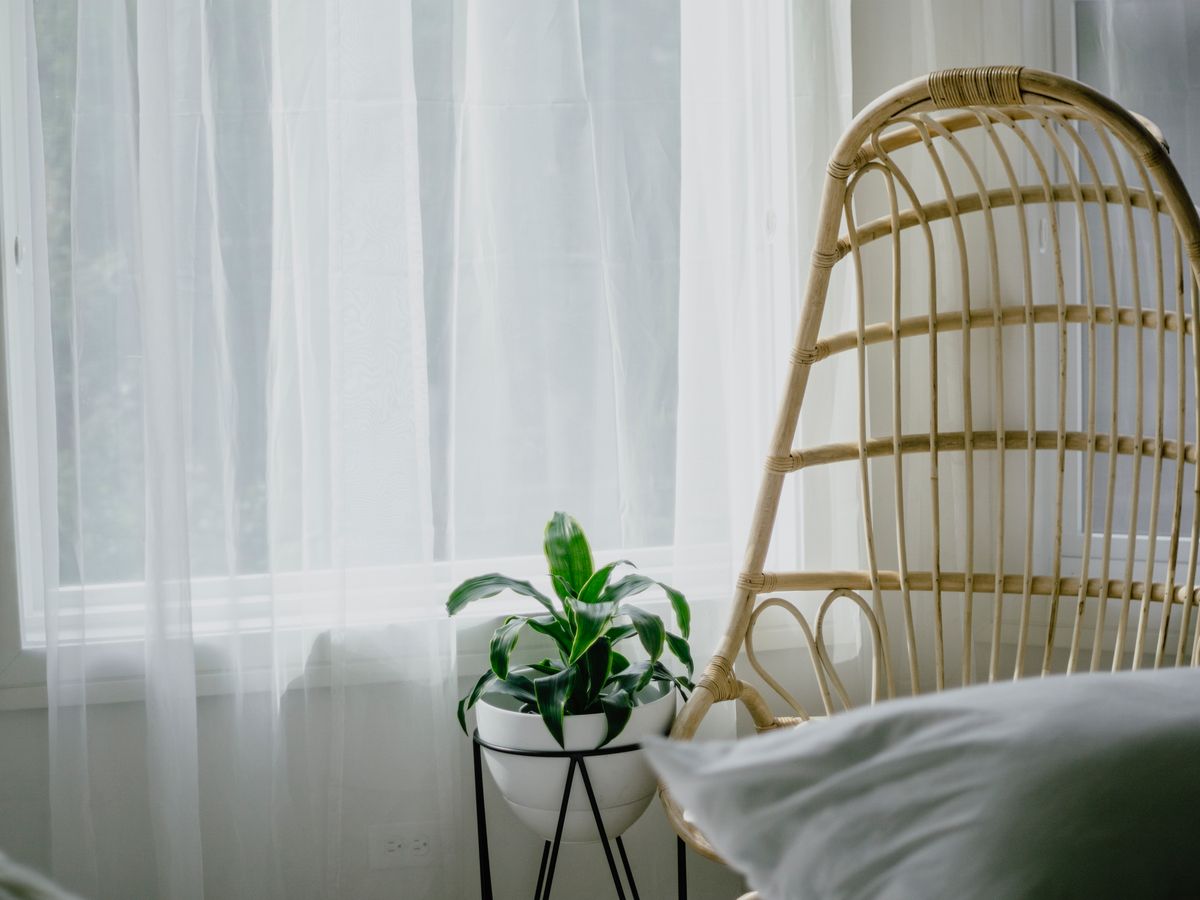
Film handles privacy; fabric handles warmth. If you want the layered, finished look, add a light curtain on a tension rod. Our guide to hanging curtains without drilling shows how to do it with zero holes, which pairs perfectly with a filmed window.
Removing film cleanly at move-out
This is where renters win. Static-cling film usually peels off in one piece; start at a corner and pull slowly. If any adhesive film leaves a haze, warm it with a hair dryer and wipe with a little soapy water or a dab of rubbing alcohol.
Do the removal a day or two before your final walkthrough, not the morning of, so you have time to buff the glass to a streak-free shine. Clean windows are a small detail that leaves a good last impression on a landlord.
The same gentle-touch instinct that makes a rental bathroom feel polished, covered in our post on how to make a rental bathroom look expensive reversibly, keeps your windows deposit-safe on the way out.
A few cautions before you buy
Two practical notes. First, some films are not recommended for double-pane or low-E windows because heat buildup can, in rare cases, stress the glass; check the manufacturer’s guidance for your window type. The U.S. Department of Energy’s window treatments guide is a helpful neutral reference on film and glare.
Second, while film itself is reversible, a few leases restrict any alteration to windows. Rules vary by state, city, and lease, so skim your agreement and check local tenant resources if you are unsure before applying anything.
If your lease is quiet on the subject, static-cling film is your safest bet since it leaves no mark at all. When in doubt, a quick email to your landlord asking about static-cling film, kept for your records, costs nothing and prevents surprises.
One last placement tip: film shows every fingerprint and speck during install, so work in soft daylight rather than direct glare where flaws hide until the sun moves. A patient half hour in good light beats redoing it next weekend.
The bottom line
Removable window film is one of the highest-impact, lowest-risk upgrades a renter can make. For roughly the price of a takeout dinner, you get privacy, better light, and a window that finally looks like yours, with nothing to repair later.
Your next step: measure your most exposed window this week, pick a static-cling film that matches your privacy goal, and set aside 30 minutes this weekend to install it. It is the fastest before-and-after in your whole apartment.

Luiza Ferraz writes about making rental spaces feel like home. Based in Minneapolis, Minnesota, she shares practical, damage-free upgrades, smart organization hacks, and proven ways to protect your security deposit. Her goal is to help renters create beautiful homes without ever picking up a drill.