Every renter knows the sinking feeling: a knocked-over glass of red wine spreading across the beige carpet you did not choose and cannot replace, with a move-out inspection looming on the calendar. That single spill can feel like a direct withdrawal from your security deposit.
The good news is that most carpet stains in a rental are treatable if you act smart, and you rarely need harsh chemicals or a pro to do it. With a few household supplies and the right technique, you can hand back a carpet that looks cared for.
Why carpet condition matters at move-out
Carpet is one of the first things a landlord inspects because it wears visibly and is expensive to replace. A stained carpet can trigger a cleaning fee or, worse, a full replacement charge against your deposit.
That said, landlords generally cannot charge you for normal wear like light traffic paths or gentle fading, only for actual damage or stains. The exact line between wear and damage varies by state, city, and your lease, so read your agreement and check local tenant resources before assuming who owes what.
Act fast: the first five minutes
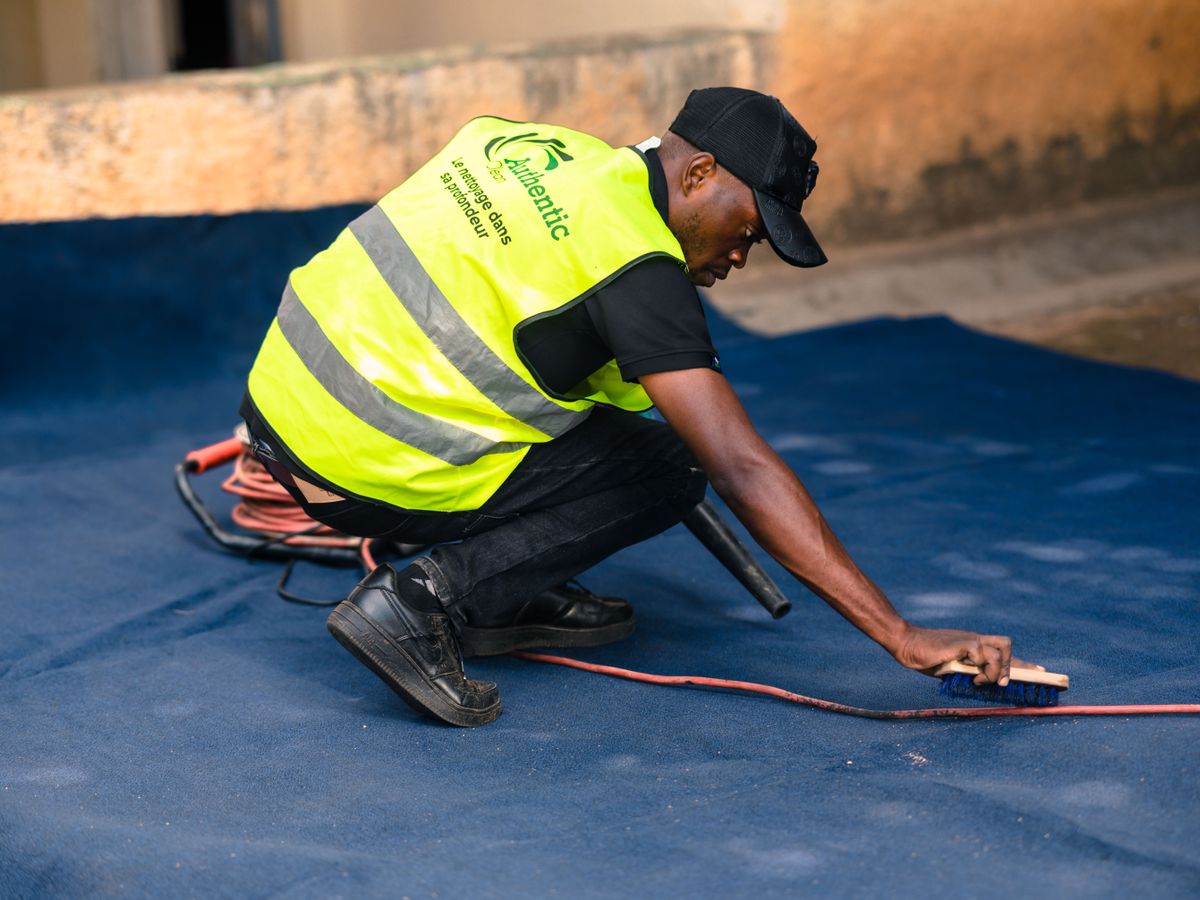
Speed matters more than any product. The moment something spills, blot it; do not rub, which only pushes the stain deeper into the fibers and the pad below.
Work from the outside of the spill inward so you do not spread it. Use a clean white cloth so no dye transfers, and keep blotting with fresh sections until no more color lifts. Patience in these first minutes does more than any expensive cleaner you could buy later.
How to treat common carpet stains in a rental
Different stains respond to different solutions, and using the wrong one can set a stain permanently. Here is a quick reference for the most common culprits renters face.
- Coffee or tea: blot, then dab with a mix of one cup warm water, a tablespoon of white vinegar, and a teaspoon of dish soap
- Red wine: blot, sprinkle salt to absorb, then treat with the vinegar solution or a little club soda
- Grease or oil: sprinkle baking soda or cornstarch, let it sit 15 minutes, vacuum, then use dish soap and water
- Pet accidents: blot, treat with an enzyme cleaner to remove odor, never a steam cleaner which can set proteins
- Mud or dirt: let it dry fully, vacuum the crumbs, then treat any remaining mark with soapy water
Always test any solution on a hidden corner first, like inside a closet. Rental carpet quality varies, and a spot test saves you from bleaching or discoloring a large visible area.
The all-purpose DIY solution
For most water-based stains, mix a teaspoon of clear dish soap and a tablespoon of white vinegar into two cups of warm water. Apply a little, blot, and repeat, then rinse with plain water and blot dry so no soapy residue attracts new dirt.
Deep cleaning before the final walkthrough
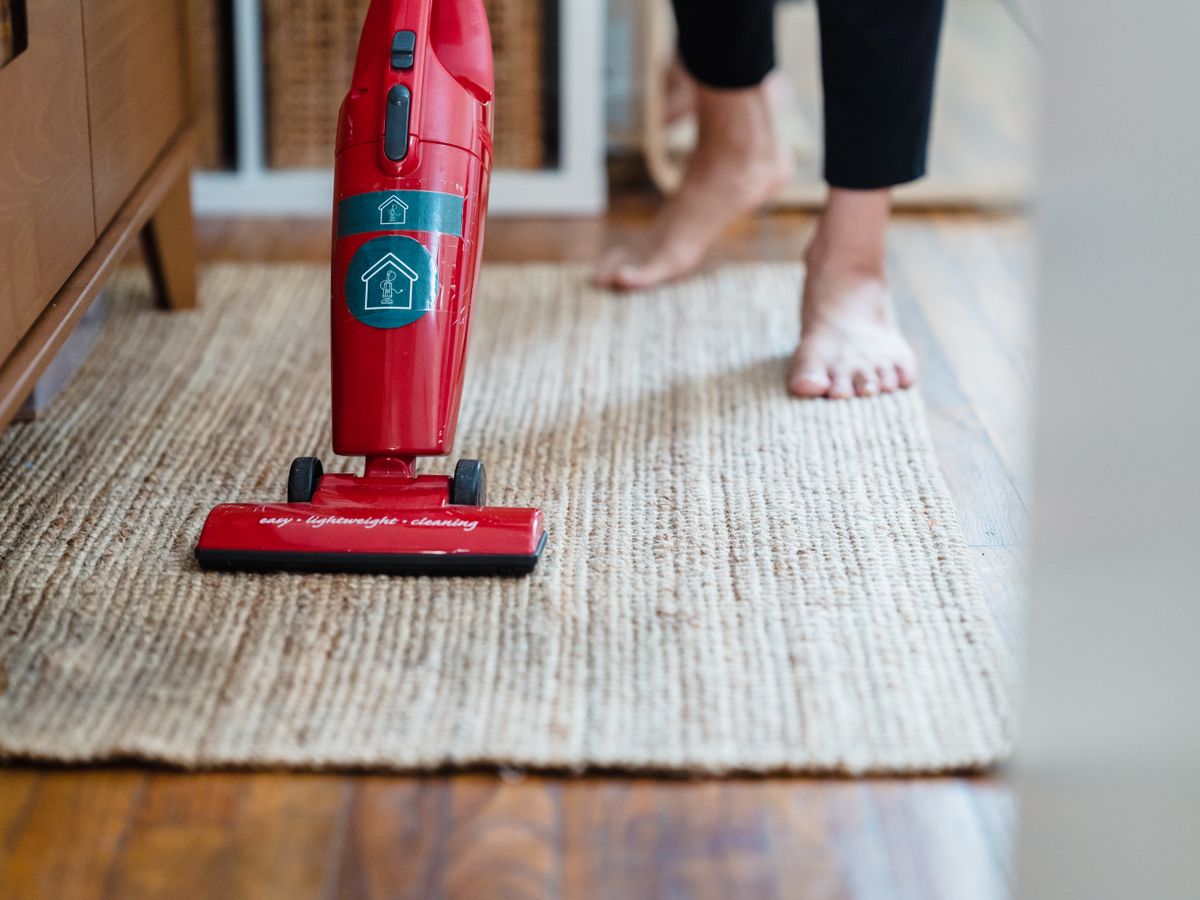
Even without obvious stains, a full carpet refresh makes a strong impression. Renting a carpet cleaning machine costs about $30 to $40 a day and lifts ground-in dirt a vacuum leaves behind.
Sprinkle baking soda across the carpet an hour before you clean or vacuum to neutralize odors. This step is cheap, takes minutes, and makes the whole unit smell fresh for the inspection. Fresh scent signals a well-kept home and quietly reassures a landlord before they even look closely.
Carpet care is just one part of leaving a rental clean. Pair it with our guide to removing scuffs and marks from rental walls and the checklist for fixing minor rental damage on floors, counters and doors for a complete move-out pass.
Products and tools worth keeping on hand
You do not need a cabinet full of specialty cleaners. A small, renter-friendly kit handles the vast majority of carpet stains in a rental and costs very little to assemble.
Keep white vinegar, clear dish soap, baking soda, a few white microfiber cloths, and a soft brush within reach. An enzyme cleaner for pet accidents and a small spray bottle round out the kit for well under $25 total.
Store the kit somewhere central so you can respond the instant a spill happens. The faster you reach it, the less likely a fresh spill becomes a permanent stain.
Mistakes that make carpet stains worse
The most damaging mistake is scrubbing hard at a fresh stain. Aggressive rubbing frays the fibers and drives the spill into the backing, turning an easy blot job into a lasting mark.
Avoid heat and harsh chemicals
Hot water and steam can permanently set protein-based stains like blood, egg, and pet accidents. Stick to cool or lukewarm water for those, and skip bleach entirely, since it can strip color and create a lighter patch that reads as damage.
Over-wetting is another common error. Soaking the carpet pushes moisture into the pad, which can cause mildew and odor, so use small amounts of solution and blot thoroughly between applications. A carpet that stays barely damp dries within an hour or two and avoids that musty smell landlords notice immediately.
Finally, do not ignore a stain hoping it will fade on its own. Set-in stains are far harder to remove, and a spill you tackle in the first hour is worth ten you leave for move-out day.
When a stain will not budge
Some stains, especially old set-in ones, resist home treatment. Before you panic, try a targeted commercial carpet stain remover made for that stain type, following the label carefully.
If it still will not lift, a professional spot treatment often costs far less than a replacement charge. Keep the receipt, since showing you paid for professional cleaning can strengthen your case in a deposit discussion.
Document the carpet with dated photos before and after your cleaning. That record, along with your move-in photos, is your best evidence about what condition the carpet was in when you arrived.
Know your rights before you pay
If a landlord tries to charge you for full carpet replacement over a small stain, you may have grounds to push back. Many areas require landlords to account for the carpet’s age and expected lifespan rather than billing you for a brand-new one.
For a neutral overview of deposit rules and tenant protections in your area, the HUD tenant rights resource is a good starting point. Always confirm against your city and state law, which can be stricter.
Prevent stains for the rest of your lease

The easiest stain to remove is the one that never happens. A few reversible habits protect rental carpet without any permanent changes.
Place washable area rugs in high-traffic zones and under dining chairs, and use a no-shoes rule to keep outdoor grime off the fibers. Both cut down on wear and the odd spill, and the rugs leave with you at move-out.
Keep drinks on stable surfaces and away from carpet edges where a bump sends them flying. If you have pets, a quick weekly vacuum stops dander and dirt from grinding into the pile and dulling the carpet over time.
These small routines cost almost nothing and pay off directly at inspection. A carpet that has been protected all along needs far less rescue work when the keys are due back.
Your next step
Walk your carpet today with fresh eyes and a flashlight, and treat the worst spot with the DIY solution above before it sets any further. One stain handled early is far easier than a whole carpet the night before you leave. Build the habit of treating spills on the spot, and move-out becomes a quick touch-up rather than a rescue mission.
Handle carpet stains in a rental promptly, keep your receipts and photos, and you give yourself the best possible shot at walking away with your full deposit intact.

Luiza Ferraz writes about making rental spaces feel like home. Based in Minneapolis, Minnesota, she shares practical, damage-free upgrades, smart organization hacks, and proven ways to protect your security deposit. Her goal is to help renters create beautiful homes without ever picking up a drill.