There is a particular kind of dread that arrives with the final walk-through, standing in an empty apartment while a landlord runs a finger along the windowsill and you silently calculate how much of your money is about to disappear. I have felt it, and I have also learned that most of what determines whether you get your security deposit back happens long before that moment.
The good news is that getting your deposit returned is rarely about luck and almost always about documentation, communication, and a bit of elbow grease. This complete guide walks through exactly how renters get their security deposit back, from the day you move in to the day you hand over the keys. A quick and important note: deposit laws vary significantly by state, city, and your specific lease, so treat this as practical guidance, not legal advice, and always check your lease and local tenant resources.
Understand what a deposit legally protects
A security deposit is not a fee; in most places it is your money held to cover unpaid rent or damage beyond normal wear and tear. To get your security deposit back, you first need to understand that distinction, because it is the line every dispute is fought along.
Normal wear and tear generally means the ordinary aging a place experiences from living in it, like faint carpet traffic paths or minor scuffs. Damage is something beyond that, like a hole in the wall or a broken fixture. Exactly where that line sits varies by state, city, and lease, so review your agreement and consult local tenant resources rather than assuming a universal rule.

Document everything from day one
The single most powerful habit to get your security deposit back starts on move-in day, long before you are thinking about moving out. Photograph and video every room, including existing scuffs, stains, and worn spots, and note the date.
Complete any move-in inspection checklist your landlord provides, and if they do not offer one, create your own and email a copy to your landlord so there is a timestamped record. This baseline is your strongest evidence if a pre-existing issue is later blamed on you.
- Photos and video of every room, closet, and appliance at move-in.
- Close-ups of any existing damage, dated and emailed to your landlord.
- A signed copy of the lease and any move-in checklist.
- A folder of all rent receipts and written communication.
Maintain the place while you live there
You are far more likely to get your security deposit back if you handle small issues as they happen rather than hiding them. Report leaks, pests, or malfunctions in writing so repairs are on record and small problems do not become chargeable damage.
Use renter-safe methods for everyday life, especially when hanging things on walls. Our guide on how to hang pictures without drilling shows damage-free options that spare you from patching a dozen nail holes later, which is one of the most common deposit deductions renters face.
The move-out cleaning that landlords actually check
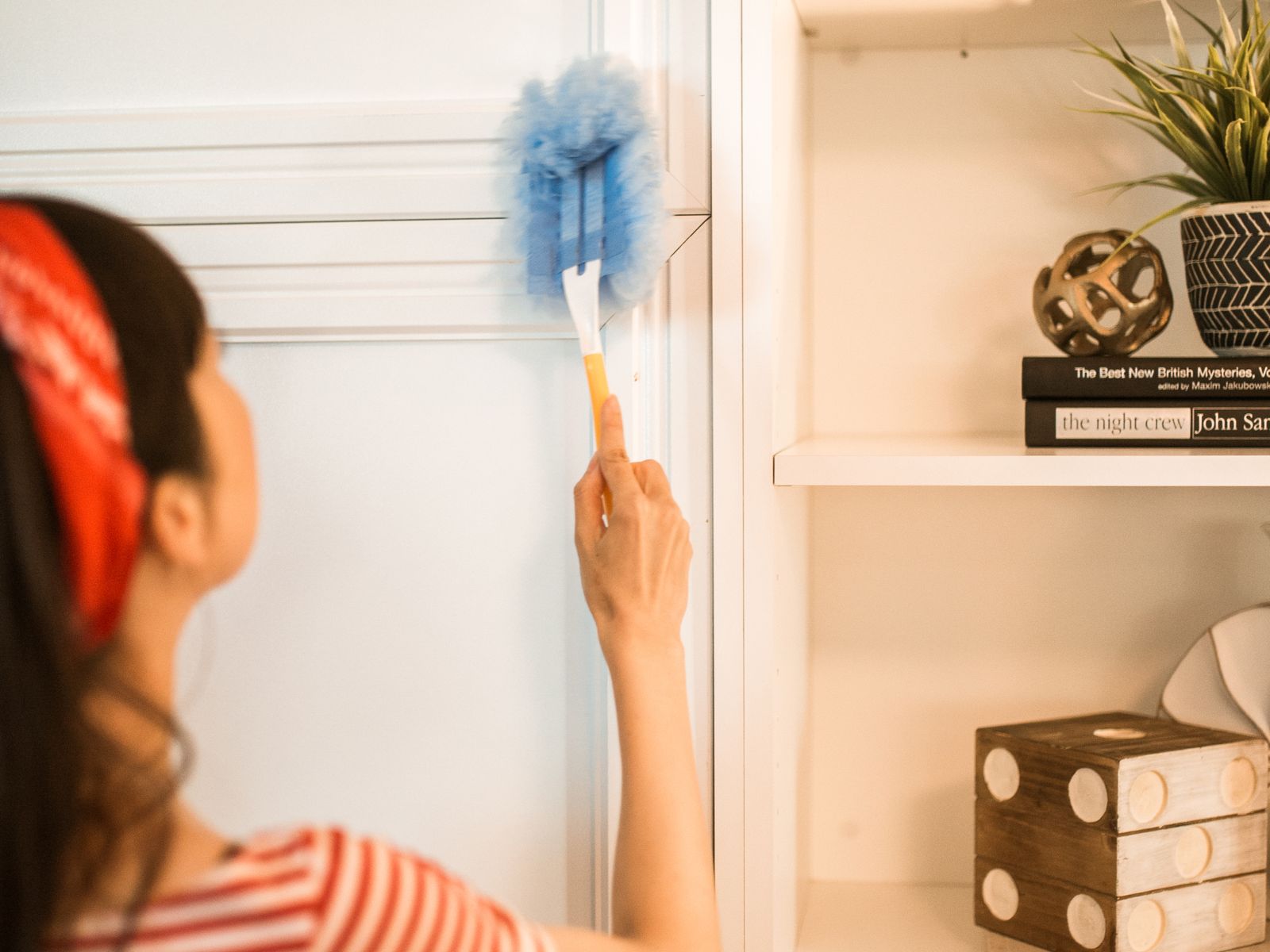
When it is time to leave, a deep clean is one of the highest-return efforts to get your security deposit back. Landlords notice the same things again and again, so focus your energy where it counts rather than scrubbing randomly.
The high-impact checklist
- Kitchen: degrease the stovetop, clean inside the oven, and wipe out the fridge.
- Bathroom: remove soap scum, descale fixtures, and clean grout lines.
- Floors: vacuum, mop, and spot-treat any carpet stains promptly.
- Walls: erase scuffs and fill small nail holes if your lease requires it.
- Windows, baseboards, and light fixtures: dust and wipe, since these are easy to forget.
If you filled the place with damage-free hanging solutions during your tenancy, removal is quick and clean. Timing your move-out tasks well helps too; our apartment moving checklist builds cleaning and documentation into the final weeks so nothing is rushed.
Handle the final walk-through and paperwork
To get your security deposit back smoothly, request a walk-through with your landlord and attend it if you can, camera in hand. Photograph every room again once it is empty and clean, mirroring your move-in shots so you have a clear before-and-after record.
Provide your forwarding address in writing so your deposit and any itemized statement can reach you. Many jurisdictions require landlords to return the deposit and an itemized list of deductions within a set number of days, but that window varies by state and city, so check your local rules through an authoritative source like HUD tenant rights.
What to do if a landlord withholds unfairly
Sometimes you do everything right and still face an unfair deduction. If that happens, do not panic; the documentation you gathered is exactly what makes disputing it possible. Start by sending a polite written request for an itemized explanation and copies of any repair invoices.
If the conversation stalls, many areas offer small claims court and tenant mediation services for deposit disputes, and local tenant unions or legal aid can advise on your specific rights. Because procedures and deadlines vary by state, city, and lease, verify the exact steps for your location before acting, and keep every communication in writing.
Common deductions and how to avoid them
Knowing what landlords typically charge for helps you prevent those charges in the first place. The most frequent deductions renters see are unpatched nail holes, carpet stains, excessive dust and grime, and leftover belongings or trash. Each one is avoidable with a little foresight.
To get your security deposit back in full, address these before the walk-through: patch small holes if your lease requires it, treat stains as soon as they happen rather than at move-out, and never leave furniture or bags behind. Hauling away your own trash is far cheaper than a disposal fee deducted from your deposit.
When repairs are cheaper to do yourself
For minor issues you caused, doing a careful, reversible repair yourself is often cheaper than the amount a landlord would deduct. Filling a few small nail holes with a bit of spackle and touch-up paint costs a few dollars, while a landlord might bill many times that for the same job. Just be sure any repair matches the original finish, and when in doubt, ask first.
Timing, notice, and your written trail
Giving proper notice is a quietly critical step to get your security deposit back, because leaving early or without the required written notice can trigger charges that swallow your deposit. Notice periods vary by state, city, and lease, so read your agreement carefully and send your notice in writing well before the deadline.
Keep a simple timeline of key dates: notice given, walk-through scheduled, keys returned, and forwarding address provided. If a dispute ever arises, that timeline plus your photos and emails forms a clear, credible record. For state-by-state overviews of deposit timelines and tenant protections, a neutral resource such as the USA.gov housing guide is a helpful place to begin your research, though your local rules always take precedence.
It also helps to keep your expectations realistic and your tone professional throughout. Most landlords are not looking for reasons to keep your money; they simply respond to what they can see and document at the end of a tenancy. When you make their job easy with a clean unit, clear photos, and prompt communication, you remove almost every excuse for a deduction and set yourself up for a full, fast refund.
Conclusion: your deposit is won before you move out
The renters who reliably get their security deposit back are not lucky; they are prepared. They document at move-in, maintain the place, clean thoroughly, and keep a paper trail from the first day to the last, which turns a stressful walk-through into a formality.
Your next step: if you are moving in soon, photograph everything today; if you are moving out, book your walk-through and start the high-impact cleaning list this week. Either way, save every message in one folder so your evidence is ready if you ever need it.

Luiza Ferraz writes about making rental spaces feel like home. Based in Minneapolis, Minnesota, she shares practical, damage-free upgrades, smart organization hacks, and proven ways to protect your security deposit. Her goal is to help renters create beautiful homes without ever picking up a drill.