The quote landed in your inbox at 11 p.m. and you actually laughed out loud: five figures to move a one-bedroom apartment across three states. You stared at your futon, your thrifted bookshelf, and that box of cables you have not opened since the last move, and thought, there has to be a smarter way to do this.
There is. Long-distance moving on a budget is less about finding the cheapest truck and more about deciding, item by item and service by service, where your dollars actually earn their keep. Spend on the few things that protect your back, your deposit, and your sanity, and cut hard everywhere else.
Why long-distance moves get expensive fast
Local movers charge by the hour, but long-distance moving on a budget runs on weight and distance, which is why the numbers balloon so quickly. Every extra box, every heavy piece of furniture, and every mile adds to a total that full-service companies calculate down to the pound.
The hidden costs are what surprise most renters: fuel surcharges, stair fees, long-carry fees when the truck cannot park close, and storage if your move-in date slips. Knowing where the money leaks helps you plug the biggest holes first.
It helps to think in three buckets: the transport itself, the labor to load and unload, and the extras that pile on at each end. Most renters obsess over the truck rental while ignoring labor and extras, which is exactly where a tight budget quietly falls apart.
Purge before you pack, not after

The single cheapest thing you can do is move less stuff. On a weight-based move, every pound you leave behind is money back in your pocket, so treat decluttering as the first and most profitable task on your timeline.
Start four to six weeks out and go room by room. Sell heavy, low-value items like a $60 particleboard dresser that would cost more to ship than to replace, and donate the rest for a tax receipt.
- Furniture you can rebuy for under $150 at the new place
- Books and media you can borrow, stream, or buy digitally
- Duplicate kitchen gear and appliances you rarely use
- Clothes and shoes you have not worn in a full year
- Anything broken, mismatched, or “someday” project material
Be honest about sentimental clutter, too. Photograph a few keepsakes you do not truly need to keep, then let the physical objects go, because paying to ship a box of things you will never unpack is the most common budget mistake of all.
Book early to unlock the real savings
Prices for trucks, containers, and crews climb as your date gets closer and inventory disappears, especially in summer. Reserving four to eight weeks out gives you the pick of dates and the leverage to walk away from a bad quote.
Early booking also lets you stack small discounts, since many companies offer better rates for advance reservations, flexible dates, or off-peak windows. Ask directly whether a Tuesday instead of a Friday, or the 12th instead of the 1st, changes your price before you lock anything in.
Compare your moving options honestly
There is no single right answer, only the right fit for your weight, distance, and tolerance for driving. The three main paths are a full-service mover, a portable moving container, and a rental truck you drive yourself.
Rental truck vs. moving container
A rental truck is usually cheapest if you are comfortable driving a large vehicle for hours and have friends to load it, typically running $1,000 to $2,500 for a cross-country one-bedroom once you add fuel and one-way fees. A moving container splits the difference: you pack and load at your pace, they handle the driving, often for $1,500 to $4,000 depending on distance and size.
Full-service movers can cost $3,000 to $8,000 or more for the same move, but they carry everything and shoulder the liability. Get at least three written quotes and confirm each company is legitimate through the federal mover database before you sign anything.
What is actually worth paying for
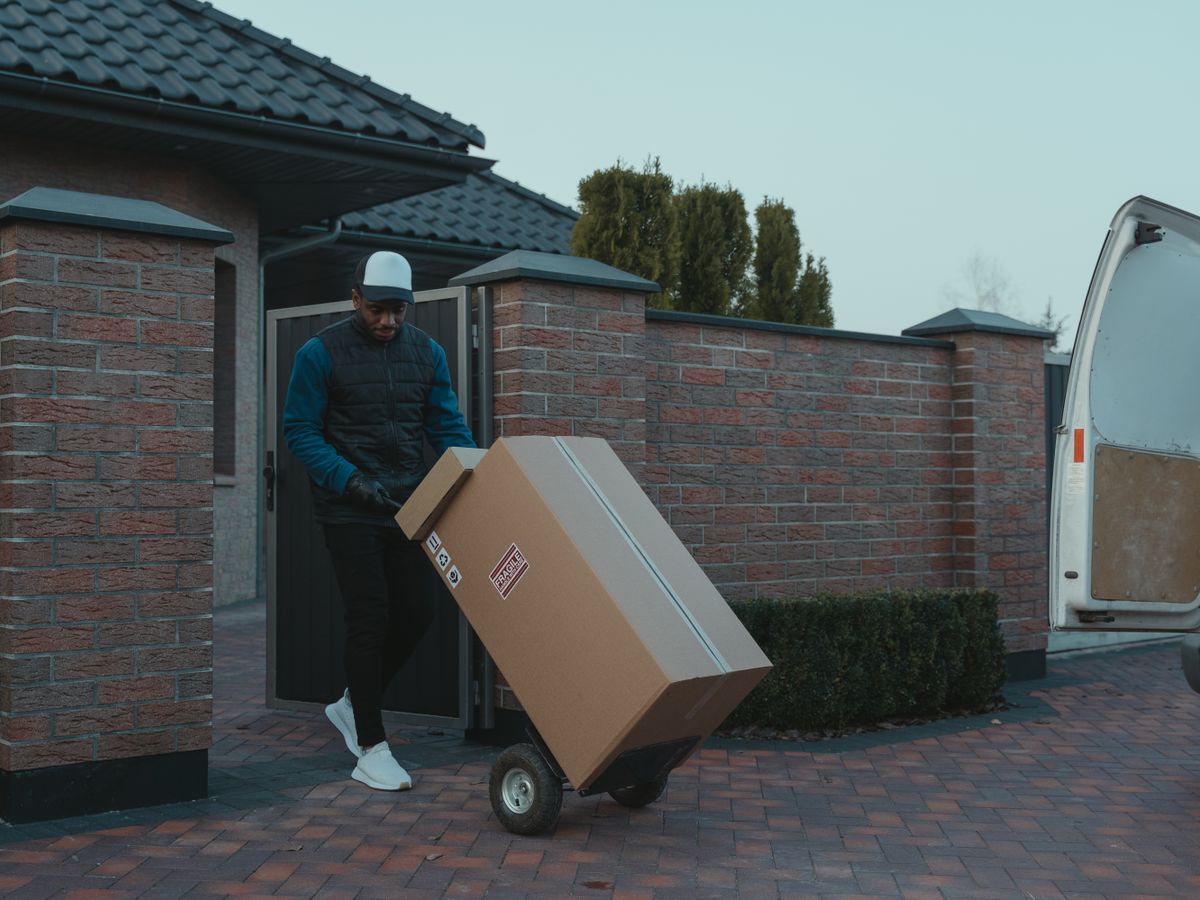
Budget moving is not about suffering; it is about spending on leverage. A few targeted expenses save you far more than they cost in damage, injury, and wasted days.
Pay for loading and unloading help by the hour, even if you drive the truck yourself, because two experienced movers can pack a truck tighter and faster than a crew of tired friends. Pay for real moving blankets and a few furniture straps, since one gouged tabletop or dented wall can cost you part of your deposit.
It is also worth paying for basic valuation coverage on anything you cannot afford to replace. Standard mover liability is often just 60 cents per pound, which means a 10-pound laptop is “worth” six dollars to them, so read the coverage terms closely.
Finally, consider paying for a single night in a cheap motel or a flexible cancellation on your first hotel if your move spans more than one day of driving. Arriving exhausted and unloading a truck at 1 a.m. is how deposits get dinged and backs get hurt, and the rest is almost always worth the modest cost.
Where to cut without regret

The easiest savings come from packing materials and timing. Skip the pricey box kits and gather free boxes from liquor stores, bookstores, and buy-nothing groups, then wrap fragile items in your own towels, socks, and blankets instead of bubble wrap.
Move mid-month and midweek if you can, since weekends and the first and last few days of the month are peak demand and peak pricing. A Tuesday move in the second week of the month can be noticeably cheaper than a Saturday at month’s end.
You can also skip specialty packing services for anything that is not fragile or irreplaceable. Disassemble your own bed frame, wrap your own dishes, and label boxes by room, and you keep hundreds of dollars that a full-service crew would otherwise charge for tasks you can do in an evening.
Budget for the first week in the new place
The move does not end when the truck pulls away; the days right after are a quiet second budget most renters forget. Setting aside $200 to $400 for arrival costs keeps a smooth move from turning into a stressful, credit-card-fueled scramble.
Expect to spend on connection or deposit fees for utilities and internet, a first grocery run, cleaning supplies, and small hardware like curtain tension rods and adhesive hooks to make the place livable. Keep a clearly labeled “first night” box with sheets, chargers, medications, and a change of clothes so you are not digging through a wall of boxes at midnight.
Protect your old and new deposits
A cheap move that costs you a security deposit is not cheap at all. Before you carry a single box out, photograph the empty rooms of your old place and document any pre-existing wear so you are not billed for it later.
Deposit rules, deadlines for returning your money, and definitions of normal wear and tear vary by state, city, and your specific lease, so check your lease and your local tenant resources before move-out. When in doubt, over-document with dated photos rather than assume anything is covered.
Keep a simple running spreadsheet of every quote and fee as you go, from the truck deposit to the last box of tape. Seeing the true total in one place stops small charges from sneaking up on you and makes it obvious, at a glance, where your next dollar of savings should come from.
Your next step
Open a blank note tonight and list every item bigger than a microwave, then mark each one keep, sell, or donate. That single list is the foundation of long-distance moving on a budget, because it turns a vague, expensive dread into a set of small, cheap decisions you can start making this week.

Luiza Ferraz writes about making rental spaces feel like home. Based in Minneapolis, Minnesota, she shares practical, damage-free upgrades, smart organization hacks, and proven ways to protect your security deposit. Her goal is to help renters create beautiful homes without ever picking up a drill.