You step onto your balcony with your morning coffee and there it is again: the sad tangle of a folded drying rack, two bags of potting soil, and a bike you have to shimmy past to reach the railing. The one bit of outdoor space you have, and you can barely stand in it.
Renter-friendly balcony and garage storage is about reclaiming those forgotten square feet without a single screw in the wall. With freestanding shelving, railing hooks, and a few weatherproof bins, you can turn a cluttered ledge or a shared garage bay into space that actually works for you.
Start by reading your lease and the weather
Before you buy anything, two things decide what will work: your lease and your climate. Rules about balconies, grills, and what you can attach to railings vary by state, city, building, and your specific lease, so check yours and any HOA or building policies before you start.
Then think about sun, rain, and wind. Anything living outdoors needs to survive UV fading, sudden downpours, and gusts strong enough to launch a lightweight bin off a third-floor ledge, so weatherproofing and weight matter as much as looks.
It also helps to picture how you will use the space day to day. A balcony you eat on needs clear floor and a small table, while a balcony you garden on can give more room to shelving, so let your habits, not a catalog photo, drive the layout.
The trick with a small balcony is to keep one clear sightline and pack storage against the least-used wall. Crowding the railing edge makes the whole space feel smaller, while a single tidy shelf tower reads as intentional rather than cluttered.
Go vertical on the balcony without drilling

The floor is precious, so the smartest renter-friendly balcony and garage storage grows upward. A narrow freestanding shelf unit, around $40 to $90, holds plants, watering cans, and folded chairs while leaving your standing room intact.
Railing planters and over-the-rail hooks add storage at the edges, using space you were never standing in anyway. Choose powder-coated metal or UV-stable resin, and always secure items so a strong wind cannot send them over the side.
Stackable outdoor bins let you build a storage wall that grows or shrinks with the seasons. Clear or labeled lids mean you are not prying open three boxes to find the beach umbrella in July.
Weatherproof bins and benches
A single deck box or storage bench, roughly $60 to $150, does double duty as a seat and a dry home for cushions, tools, and seasonal gear. Look for a lockable lid and drainage holes so trapped moisture does not turn your cushions into a science experiment.
Don’t forget lighting and comfort, either, since a usable outdoor space is one you actually want to sit in. Solar string lights clipped to the railing and a weatherproof outdoor rug instantly make a bare balcony feel like a real room, with zero installation.
Create a hanging garden and drying zone
If your green thumb is bigger than your floor, go up and out. A tension rod wedged between two walls of a recessed balcony holds hanging planters, string lights, and even a lightweight fabric shade without a single hole.
A wall-leaning ladder shelf, propped rather than mounted, gives you tiered plant space that folds flat when you move. For laundry, a fold-down or freestanding drying rack tucks against the railing and disappears when guests come over.
Group pots on rolling plant caddies so you can chase the sun or clear the deck in seconds before a storm. Small wheels turn a heavy planter into something you can reposition with one hand.
Make a shared or rented garage work harder
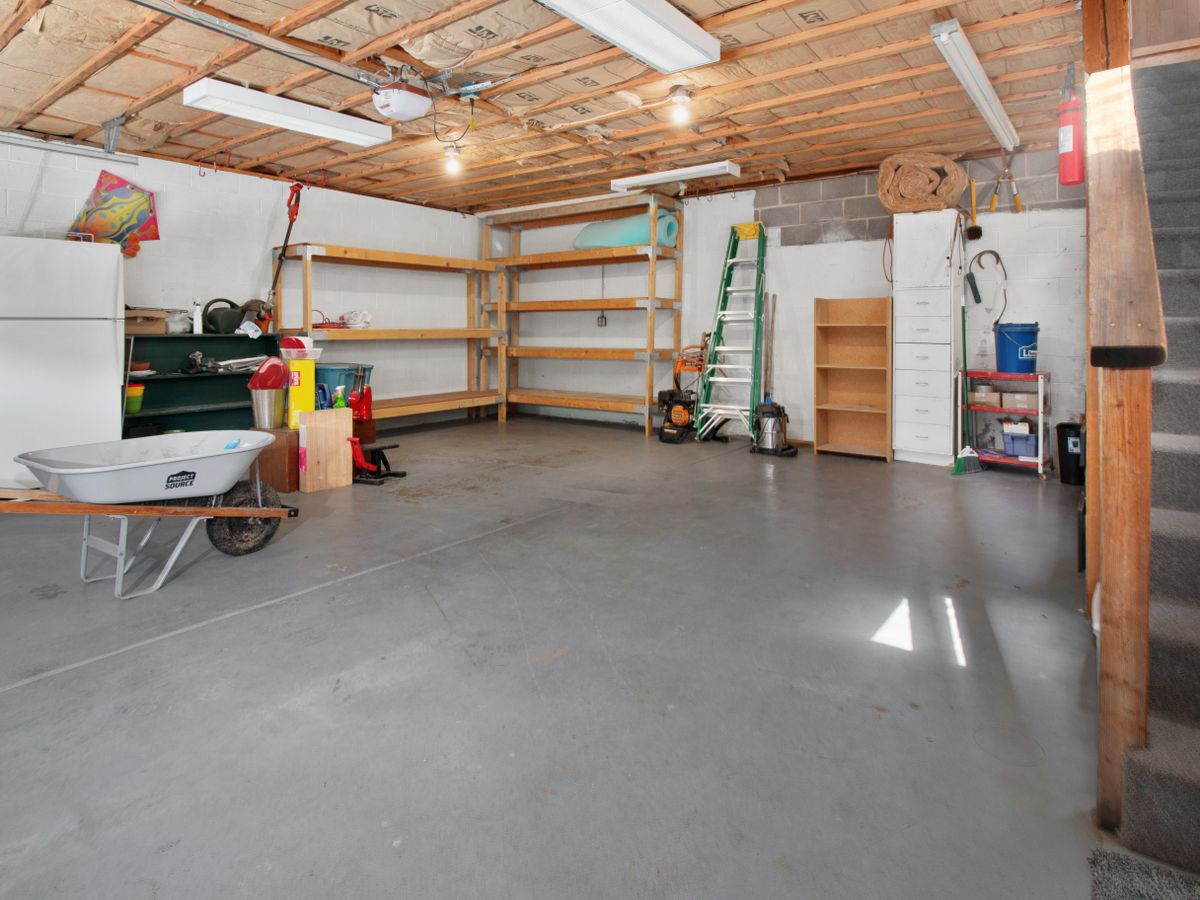
A rented garage bay is often just a concrete rectangle with zero built-in storage. Good renter-friendly balcony and garage storage in a rented bay means bringing in freestanding systems that leave when you do, so you never touch the walls or ceiling.
A heavy-duty steel or resin shelving unit, about $70 to $200, gets bins, tools, and sports gear up off the floor and away from damp concrete. Add a rolling tool cart or a freestanding bike rack, and you keep everything mobile in a space you may have to share.
Keep a clear walking path from the door to your car, and store the things you reach for most at eye level. In a shared bay, mark your zone with a cheap floor mat or tape line so storage does not creep into your neighbor’s half.
Overhead and door storage without mounting
Traditional garages rely on drilled overhead racks, but renters can get similar wins with tall freestanding units that reach toward the ceiling. Stack lidded bins on the top shelves for out-of-season gear you rarely need to reach.
An over-the-door shoe organizer, hung on the garage entry door with a no-mark bracket, is perfect for spray bottles, gloves, cords, and small tools. It costs under $20 and comes down cleanly when your lease ends.
When in doubt about a shared garage, assume anything valuable could walk off and plan accordingly. Keep truly important gear inside your unit and reserve the garage for bulky, replaceable, weather-tolerant items.
Store the right things the right way
Outdoor and garage spaces are not safe for everything, so sort ruthlessly. Concrete floors sweat, garages swing between hot and freezing, and balconies bake in the sun, which ruins the wrong items fast.
- Great outdoors: garden tools, potting soil, sports gear, bikes, camping equipment
- Only in sealed bins: cushions, textiles, paper, holiday decor
- Keep inside: electronics, batteries, paint, medications, important documents
- Never store: anything flammable near heat, or valuables in a shared garage
Spread purchases across a couple of paychecks and you will barely feel the cost. The payoff is a balcony you can breathe on and a garage you can park in, which is a huge quality-of-life upgrade for very little money.
A realistic budget for outdoor storage
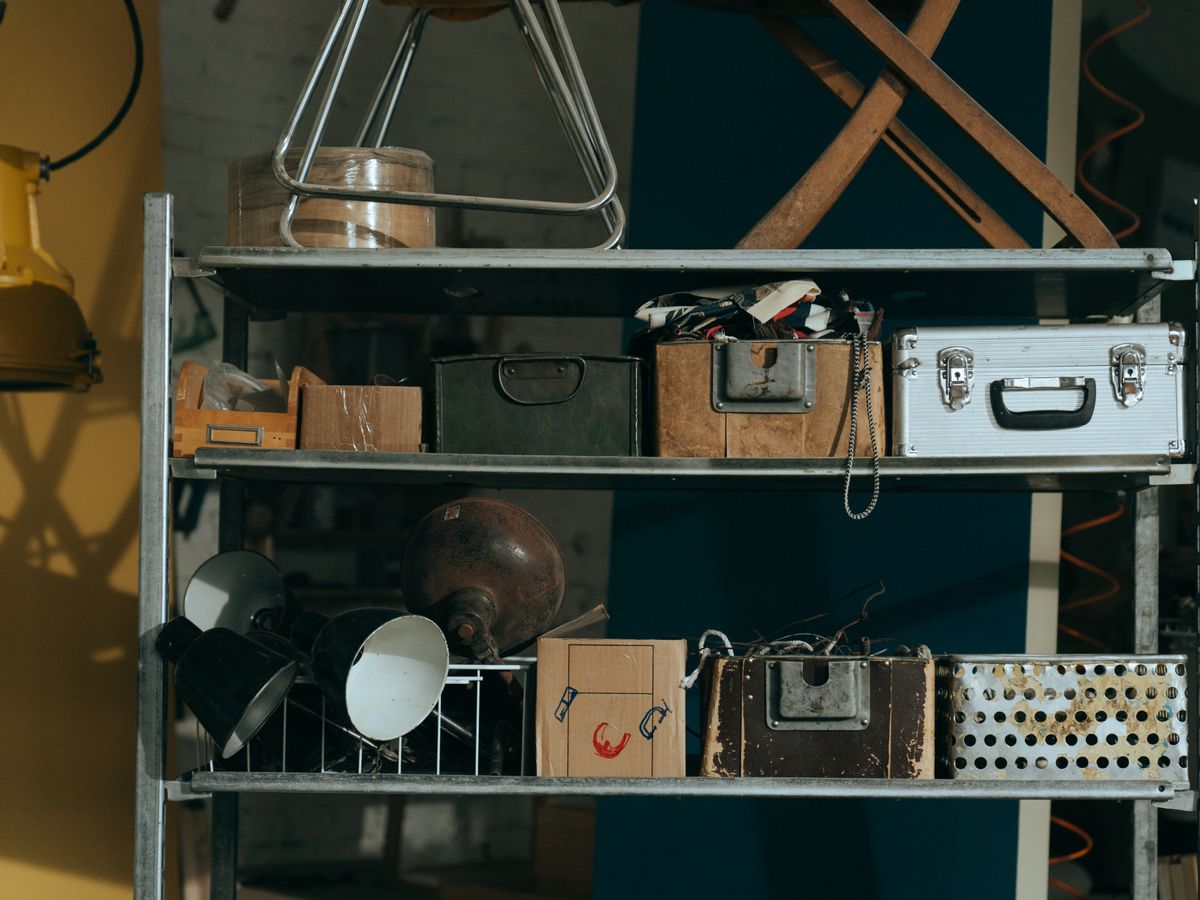
You can outfit a small balcony for well under $200 if you start with one shelf and one deck box, then add railing hooks and a couple of weatherproof bins over time. Buying in stages lets you see what you actually use before spending more.
Renter-friendly balcony and garage storage in a rented garage bay runs a bit higher, usually $150 to $400 for a couple of heavy shelving units, a bike rack, and a stack of labeled bins. Check secondhand marketplaces first, since sturdy steel shelving shows up constantly from people who are moving.
Give heavy resin and metal a second look for anything that lives outside year-round, since untreated wood warps and splinters after a few seasons of rain. Materials that shrug off weather will still look presentable when you hand back the keys.
Protect your deposit while you organize
Every renter-friendly balcony and garage storage solution here is freestanding or removable on purpose, because the goal is more storage and a full deposit. Use furniture pads under heavy shelving so metal feet do not scratch a balcony floor or stain concrete.
If you use any adhesive hooks or clips, pick outdoor-rated ones and test removal in a hidden corner first. Photograph the space before and after so you can show it was returned in the same condition, and remember that definitions of normal wear and tear vary by lease and location.
Finally, do a quick maintenance pass every few months. Wipe down bins, shake out cushions, and re-check that adhesive hooks and railing attachments are still holding, since sun and rain loosen things over a full lease.
A ten-minute reset each season keeps your outdoor storage from sliding back into the tangle you started with. It also catches any wear early, so nothing surprises you on move-out day.
Your next step
The best renter-friendly balcony and garage storage starts small, so pick one zone this weekend, either the balcony corner or a single garage wall, and measure it before you shop. A quick sketch with real dimensions is the difference between renter-friendly balcony and garage storage that fits perfectly and a returns pile of things that did not.

Luiza Ferraz writes about making rental spaces feel like home. Based in Minneapolis, Minnesota, she shares practical, damage-free upgrades, smart organization hacks, and proven ways to protect your security deposit. Her goal is to help renters create beautiful homes without ever picking up a drill.