It is Thursday night, the lease ends Monday, and you are standing in the middle of an apartment full of stuff you somehow accumulated over years, wondering how any of it will fit in a box by the weekend. The panic is real, but so is the deadline.
Here is the reassuring part: you can absolutely pack an apartment in a single weekend if you attack it with a plan instead of wandering room to room wrapping one mug at a time. This guide breaks the whole job into a realistic two-day sprint, with the supplies, order, and shortcuts that make it doable without losing your mind.
It also helps to be honest with yourself about scope. A studio or one-bedroom is genuinely a weekend job for one or two people. A packed three-bedroom with a decade of accumulation might need a head start on weekday evenings. Match your ambition to your square footage, and recruit a friend with the promise of pizza if you are on the larger end.
Before You Pack an Apartment: Set Yourself Up
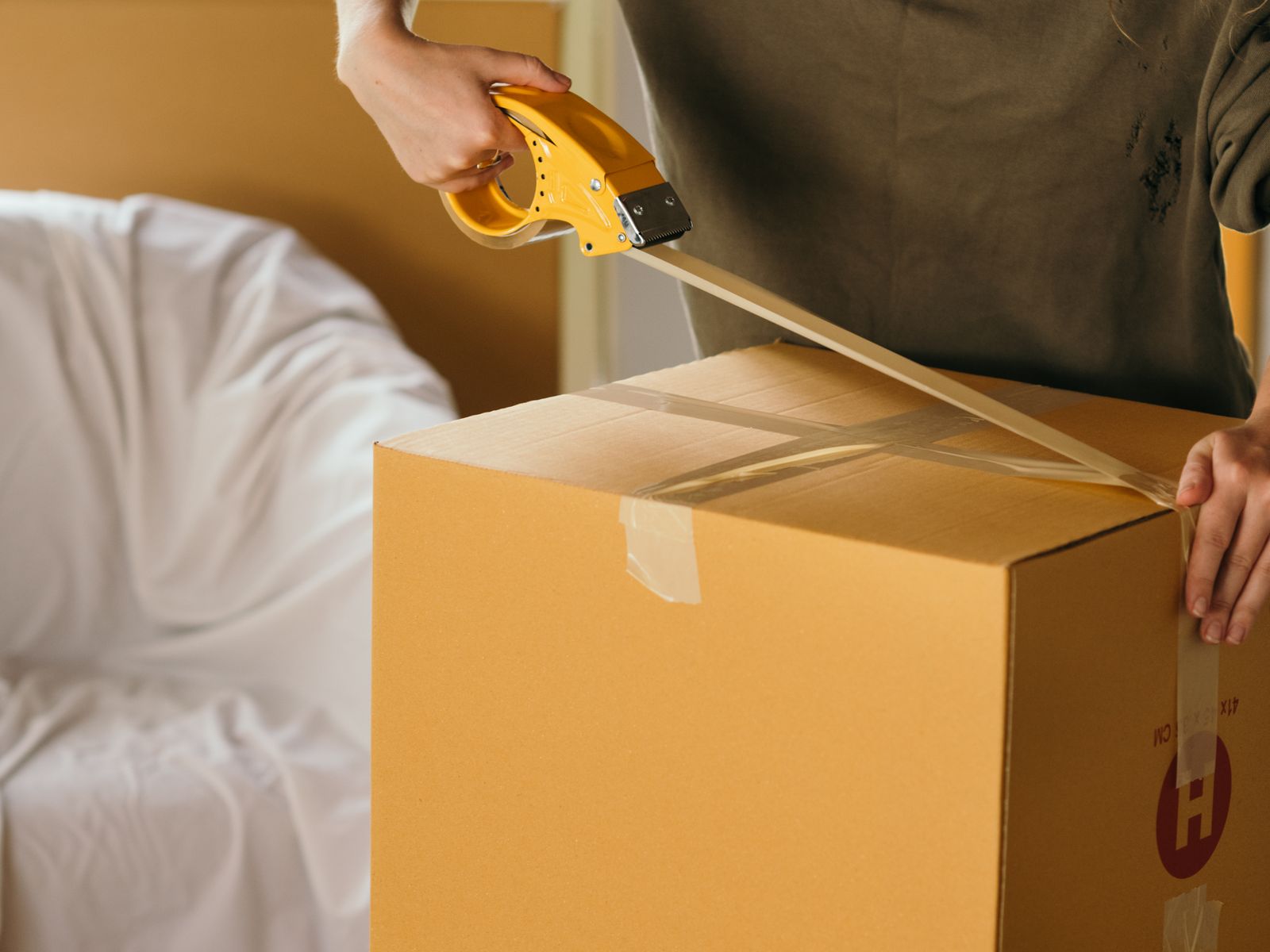
The single biggest time-saver is gathering everything before you start. Nothing kills momentum like stopping mid-room to hunt for tape. Do a supply run Friday evening so Saturday is pure packing.
You do not need much, and you can keep costs low. If you already followed our full apartment moving checklist, some of this will be underway; if not, start here.
- Boxes in two or three sizes (small for heavy items, large for light bulky ones); check grocery and liquor stores for free ones.
- Packing tape and a dispenser ($5–10) so you are not fighting the roll all weekend.
- Packing paper or newsprint for dishes; towels and clothes double as free padding.
- A few permanent markers for labeling.
- Trash bags for both garbage and soft items like bedding.
Set up a “packed” zone near the door where finished boxes go, so your living space does not disappear under cardboard before you are done.
One mindset shift makes the whole weekend easier: you are not trying to pack perfectly, you are trying to pack safely and quickly. Perfect wrapping of every single item is how people end up still taping boxes at midnight on Sunday. Protect the fragile and valuable things well, and let the sturdy stuff be good enough.
Saturday: The Big Push
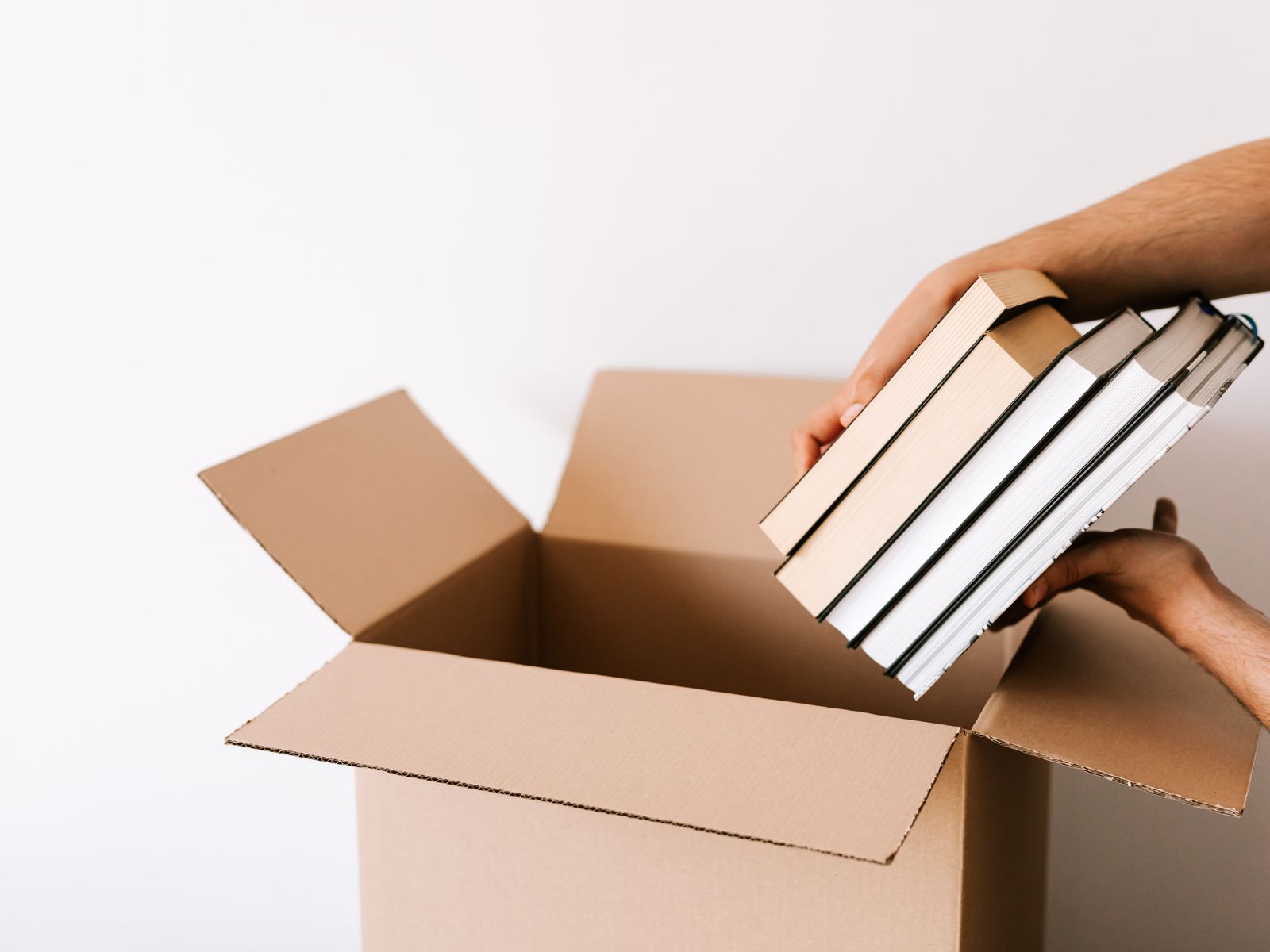
Saturday is for everything you do not need in the final 48 hours. The rule of thumb: pack the rarely-touched rooms first and save daily essentials for last.
Morning: closets, storage, and books
Start with the least-used spaces, because they are the easiest decisions. Books go in small boxes (they get heavy fast). Off-season clothes can stay on hangers inside a trash bag, which becomes an instant garment bag. This is also the moment to donate anything you have not used in a year rather than paying to move it.
Keep a “donate,” “trash,” and “maybe” pile going in every room as you work. Every item you decide not to move is an item you do not have to box, carry, or unpack. Renters especially benefit here, since moving costs and truck space are often the biggest expense of the whole transition.
Afternoon: living room and decor
Wrap frames, electronics, and breakables in towels or paper. Take a quick phone photo of the back of your TV and any complicated cords before unplugging, so setup at the new place is painless. Keep screws and remotes in labeled zip bags taped to the item they belong to.
Evening: a clean stopping point
Before you crash Saturday night, do a quick sweep: break down empty boxes you did not need, take out the trash and donation bags, and make sure your bed and one clear pathway remain usable. Waking up Sunday to a semi-organized apartment instead of total chaos does wonders for morale and keeps the second-day sprint on track.
Sunday: Kitchen, Bathroom, and Essentials
The kitchen is the room everyone dreads, so give it a fresh morning. Nest bowls, stand plates on their edges (they resist breaking better vertically), and cushion glassware generously. If you have kept up with smart kitchen organization, this goes faster because like items are already grouped.
Give the bathroom fifteen focused minutes. Toss expired products, seal any liquids in a zip bag to prevent leaks, and pack a small toiletry kit into your essentials box rather than a big bathroom box you will have to dig through. Bathrooms look intimidating but are almost always faster than they seem.
Label everything by room and priority
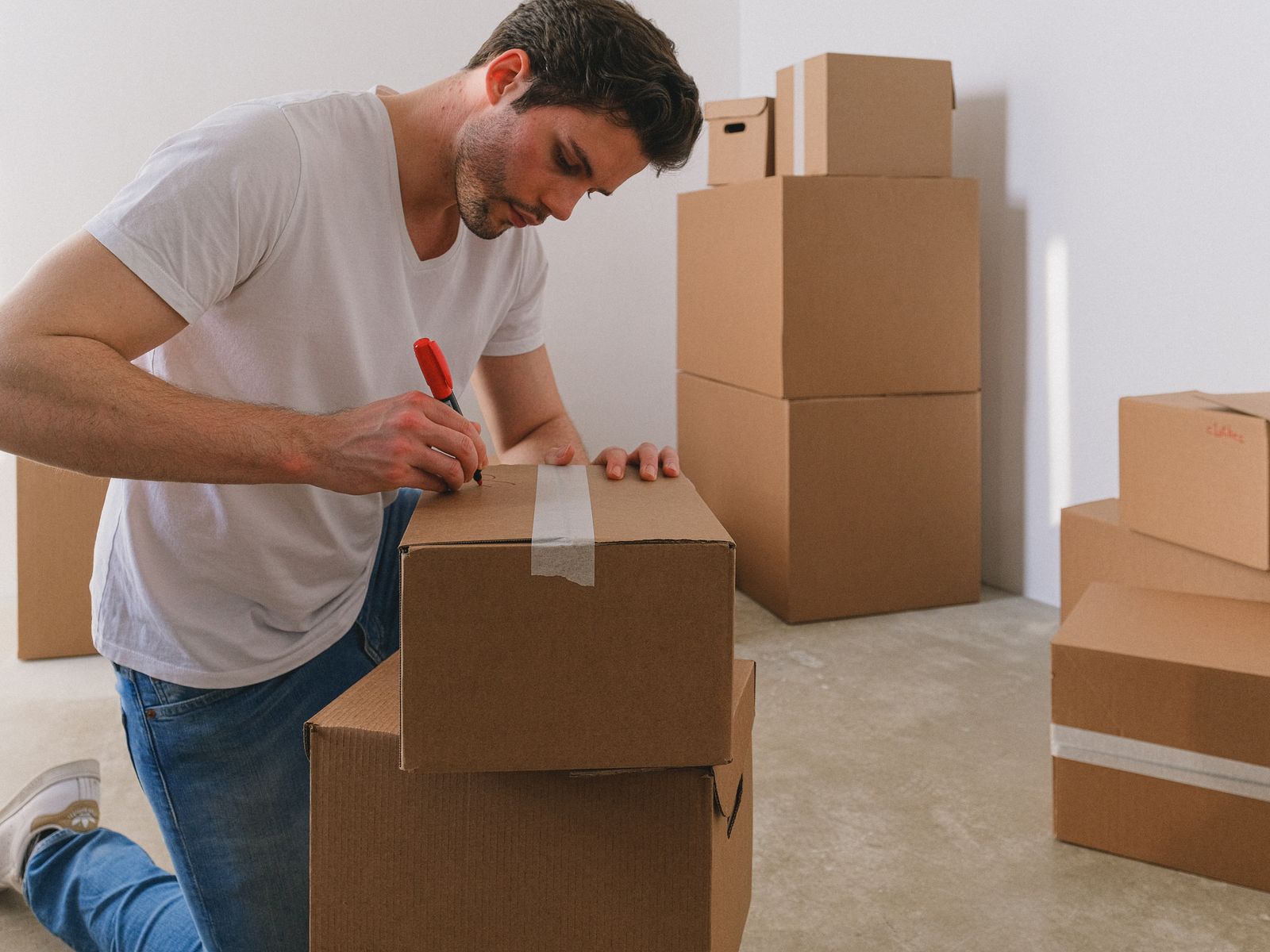
Write the destination room and a one-line summary on the top and one side of every box, plus a star on the three or four boxes you will want to open first. Clear labeling is what turns a chaotic move-in into a calm one.
Pack an “open-me-first” box
Set aside one box (or a suitcase) with the true essentials: a phone charger, medications, a change of clothes, toilet paper, basic toiletries, a few dishes, and any paperwork. This is the box that gets you through the first night without digging.
Shortcuts That Actually Save Hours
When you are racing a deadline, a few tricks pay off far beyond the seconds they take. These are the ones worth remembering when you pack an apartment fast.
Leave clothes in dresser drawers and just wrap the whole drawer in plastic or lift the drawers out to move separately. Keep hanging clothes on their hangers. Use your laundry basket, hamper, and suitcases as “boxes” you already own. And pack a cooler last with drinks and snacks, because staying fed and hydrated is what keeps a weekend sprint from falling apart.
If you are moving locally, consider making one “car trip” of the things you never want on a moving truck: important documents, jewelry, a laptop, and anything irreplaceable. Keeping these with you removes a whole layer of worry from an already stressful weekend.
Do Not Forget the Deposit Details
Racing to pack is no reason to skip the move-out basics that protect your money. As rooms empty out, do a quick clean and photograph each space, since documented condition is your best defense if a deposit dispute comes up later. Revisiting your original move-in inspection notes helps you prove what was already worn or damaged when you arrived.
Keep in mind that what a landlord can deduct, and the timeline for returning your deposit, varies by state, city, and your specific lease. Read your lease and check your local tenant resources so you know your rights; general guidance like HUD’s tenant rights resources is a helpful starting point but never a substitute for your local rules.
A weekend pack works because it forces decisiveness. When you have only two days, you stop agonizing over whether to keep the third set of measuring cups and simply make a call. That momentum is your greatest ally, so protect it by taking short, scheduled breaks rather than long ones that are hard to come back from.
One last piece of advice for the truck or car load itself: load the heaviest boxes and furniture first and lowest, and keep your “open-me-first” box and valuables in the passenger area where you can see them. A little order in how things leave the old apartment saves a surprising amount of frustration when everything arrives at the new one, especially after a weekend when your energy is already spent.
The Bottom Line
You do not need a week off work to pack an apartment; you need a plan, a supply run, and a willingness to work in the right order. Front-load the rarely-used rooms, save your essentials for last, label like your sanity depends on it, and protect your deposit as you go.
Your next step: tonight, do the supply run and set up your “packed” zone by the door. Then start Saturday with a single closet. Momentum from that first finished box will carry you through the whole weekend.

Luiza Ferraz writes about making rental spaces feel like home. Based in Minneapolis, Minnesota, she shares practical, damage-free upgrades, smart organization hacks, and proven ways to protect your security deposit. Her goal is to help renters create beautiful homes without ever picking up a drill.