The first night in a new rental has a particular sound: the echo of your own footsteps on bare floors, boxes stacked like a cardboard skyline, and a fridge that hums a little too loudly in a room with nothing to soften it. It looks like a place you are staying, not a place you live.
The reassuring truth is that you can make a new rental feel like home in a week, without a single nail or a landlord’s permission. A handful of small, reversible moves turns an empty box into somewhere you actually want to come back to.
Why the first week sets the tone
The habits and comforts you establish in the first seven days tend to stick. If you spend that week living out of boxes, that becomes the normal, and unpacking drags on for months.
Focusing on a few high-impact zones early helps a new rental feel like home fast. You do not need everything perfect; you need the spaces you use most to feel settled and yours.
Day 1 and 2: build your comfort anchors
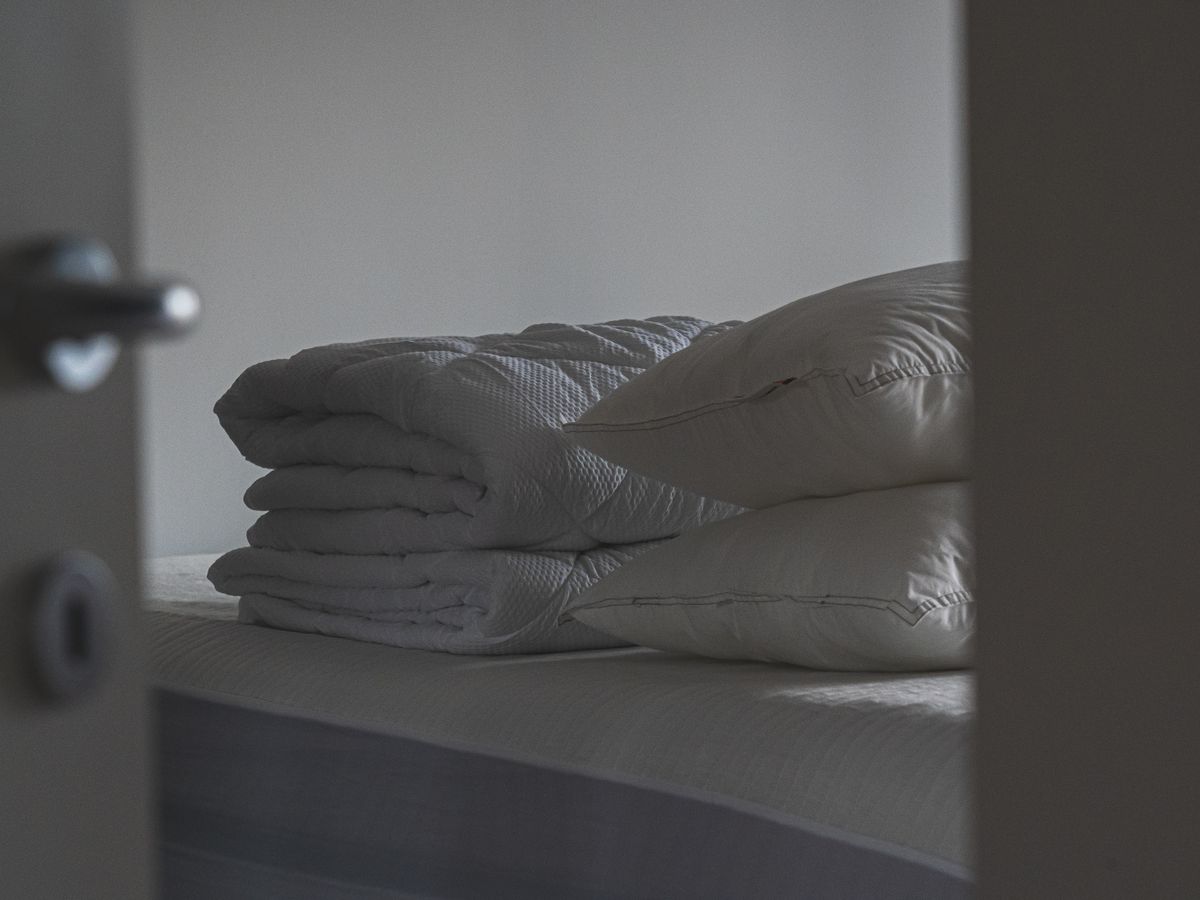
Start with the bed and the bathroom. A made bed with your own sheets and a bathroom stocked with towels and toiletries gives you two islands of calm from the very first night.
The one-box rule
Pack a single “first night” box before you move and unpack it first. Include a phone charger, a mug, coffee or tea, a hand towel, and a change of clothes so you are not digging through ten boxes at midnight.
These early wins matter more than they seem. Getting the essentials right in the first two days is the same principle behind our guide to what to set up in the first 48 hours of a new rental.
Day 3 and 4: soften the space with texture and light
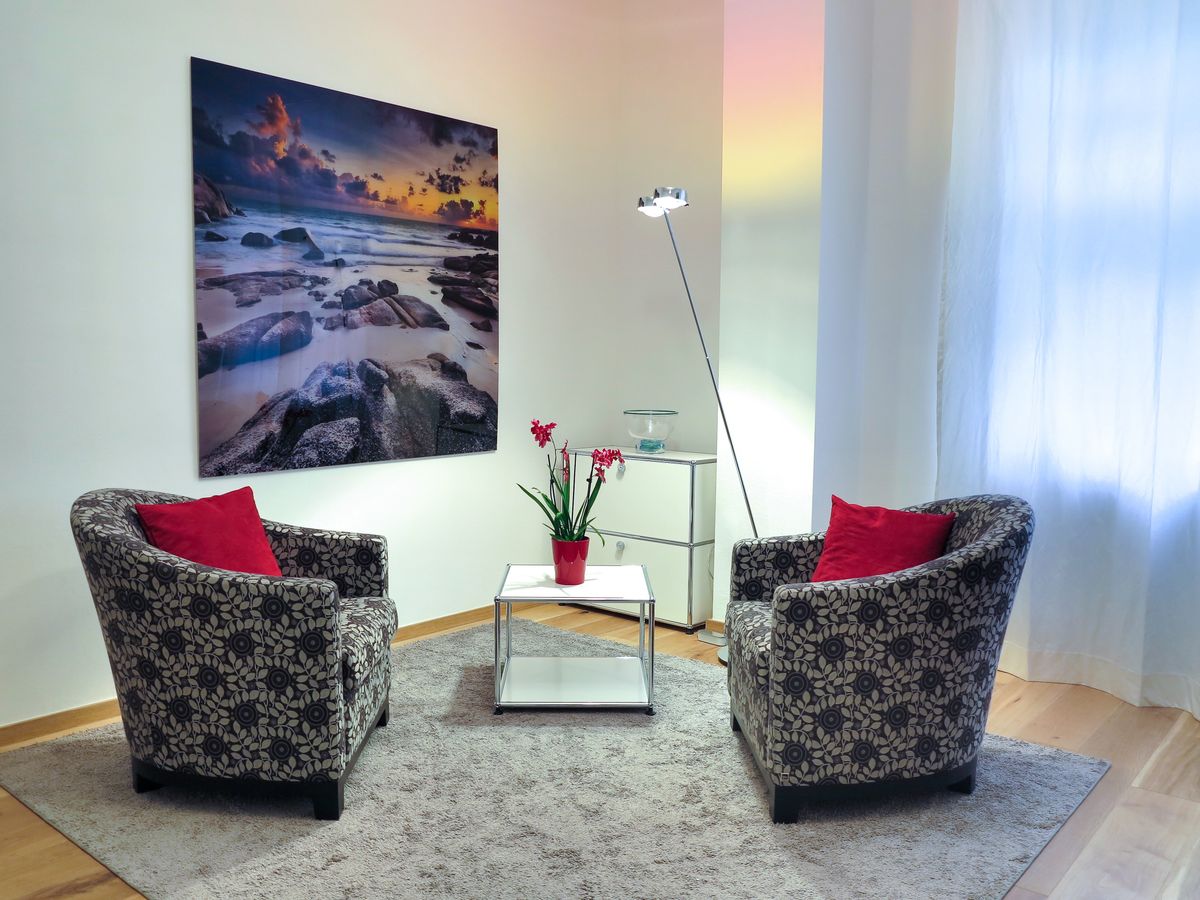
Empty rentals feel cold because they are all hard surfaces. Soft textures and warm light are the fastest way to fix that, and both are completely reversible.
- A large area rug to warm up bare floors and absorb echo (about $80 to $200)
- Two or three throw pillows and a blanket to make the sofa yours
- Warm-toned LED bulbs to replace harsh overhead lighting for under $15
- A floor lamp or two to layer light instead of one glaring ceiling fixture
- Sheer curtains on a tension rod to soften windows without drilling
Lighting does the heaviest lifting. Swapping cool white bulbs for warm ones instantly makes a new rental feel like home, and string lights add a cozy glow with zero damage.
If you want that soft evening ambience, our walkthrough on hanging string lights in a rental without damage keeps everything landlord-safe.
Day 5 and 6: add personality on the walls and shelves
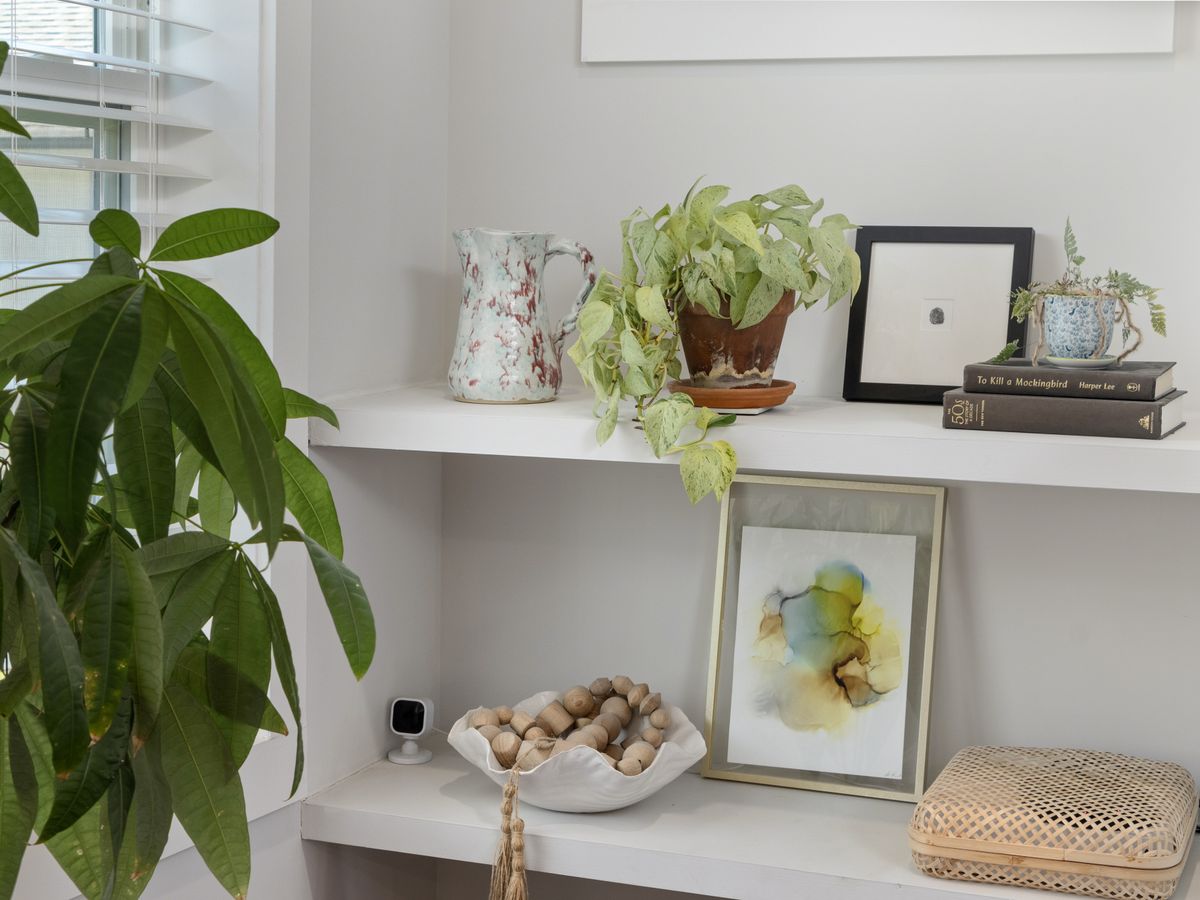
Now bring in the things that say you. Framed photos, art, and a few meaningful objects turn generic rooms into a personal space.
Use damage-free hooks and strips rated for your frame’s weight, and lean larger pieces against the wall on a shelf or the floor. Group smaller frames into a cluster for impact without a dozen separate marks.
Plants are the other quick personality boost. Even one trailing pothos on a shelf brings life into a room and softens the rental-beige of a standard unit.
Day 7: engage your senses and settle in
Home is a feeling as much as a look. Scent, sound, and routine are what finally flip the switch from new place to my place.
Light a candle or use a diffuser with a scent you love, play your usual music while you cook your first real meal, and take a slow walk around the neighborhood. Finding a nearby coffee shop or park roots you in the area, not just the apartment.
By now the boxes should be mostly gone. If unpacking has stalled, our unpacking strategy to settle into a new rental in 3 days can help you finish strong.
A realistic budget for your first week
You do not need a big budget to make a new rental feel like home. Prioritize spending on the things you touch and see every day, and let the rest come slowly.
A comfortable starter budget of $200 to $400 covers a rug, warm bulbs, a lamp, curtains, and a few soft goods. If that is out of reach, thrift stores and marketplace finds can cut the cost in half, and secondhand pieces often add more character than new ones.
Spread purchases across the week rather than buying everything at once. Living in the space for a few days shows you what it actually needs, which saves money on things you would have returned anyway.
Room-by-room quick wins
If a whole-apartment plan feels overwhelming, work one room at a time. Each finished room becomes a retreat while the rest catches up.
Bedroom and living room first
The bedroom rewards early effort more than any other room because good sleep makes everything else easier. A made bed, blackout-friendly curtains on a tension rod, and a bedside lamp are enough to make it feel restful on night one.
In the living room, anchor the space with a rug and arrange seating to face each other rather than lining the walls. That single change makes a room feel intentional instead of temporary.
Kitchen comfort last but not least
A kitchen feels like home the moment you cook in it. Unpack a few favorite mugs, set out a fruit bowl, and keep the counter you use most clear and ready, and the whole apartment starts to feel lived-in.
Common mistakes that keep a rental feeling temporary
The biggest trap is waiting for the perfect furniture before doing anything. Empty rooms that sit untouched for weeks train your brain to treat the place as a way station rather than a home.
Another mistake is leaving boxes as makeshift furniture. A stack of cardboard in the corner signals unfinished business every time you walk past it, so break down empty boxes the moment they are unpacked.
Finally, do not skip the personal touches out of fear of damaging the walls. Damage-free hooks and leaning art let you show who you are without risking a cent of your deposit, and a home without any of your personality never quite feels like yours.
Give yourself permission to change things later, too. The first week is about comfort and identity, not a finished magazine spread, and a rental that grows with you feels more like home than one you rushed to complete.
Keep it renter-safe and reversible
Everything in this week-long plan comes off cleanly at move-out. Adhesive hooks, tension rods, rugs, and lamps all leave with you and leave no trace behind.
Before you hang anything semi-permanent or make changes near fixtures, skim your lease for rules on wall hangings or alterations. What counts as allowed decor versus a chargeable change varies by state, city, and lease, so a quick check with your local tenant resources saves surprises later.
For a broad checklist of settling-in tasks like updating your address and utilities, the USA.gov moving resource is a neutral, practical reference.
Keep a running list on your phone of small things the space still needs, from a bath mat to a better reading light. Ticking off one item every few days keeps progress steady long after the first week without ever feeling like a chore.
Your next step
Tonight, unpack just your first-night box and make the bed. That single act turns an empty rental into a place you can rest, and momentum builds from there. Everything else on the list gets easier once you have one truly comfortable spot to return to at the end of the day.
Follow the seven-day rhythm at whatever pace fits your life, and you will make a new rental feel like home by the weekend, with nothing to undo when it is time to move on.

Luiza Ferraz writes about making rental spaces feel like home. Based in Minneapolis, Minnesota, she shares practical, damage-free upgrades, smart organization hacks, and proven ways to protect your security deposit. Her goal is to help renters create beautiful homes without ever picking up a drill.