You finally arrange the living room exactly how you pictured it, step back to admire it, and there it is: a chunky beige radiator hogging the best wall, or a boxy AC unit blocking half the window. In a rental, ripping it out is not an option, and neither is a coat of paint without permission.
The trick is to hide ugly radiators, AC units, and other rental eyesores with pieces that lift off the moment you move out. Everything in this guide is freestanding or reversible, so you get a calmer, more finished room without touching your deposit.
Start by deciding what to hide and what to work around
Not every eyesore needs full concealment. Sometimes drawing the eye elsewhere is easier and cheaper than building a cover, especially for things that need airflow or access.
Before you plan anything permanent-looking, remember a key safety rule: never fully enclose a working radiator or block an AC vent. Both need clearance to function safely and to avoid overheating.
It also pays to check your lease. Some agreements restrict covering built-in heating or cooling equipment, and local rules can apply too, so confirm what is allowed before you commit to a project.
How to hide ugly radiators the renter-safe way
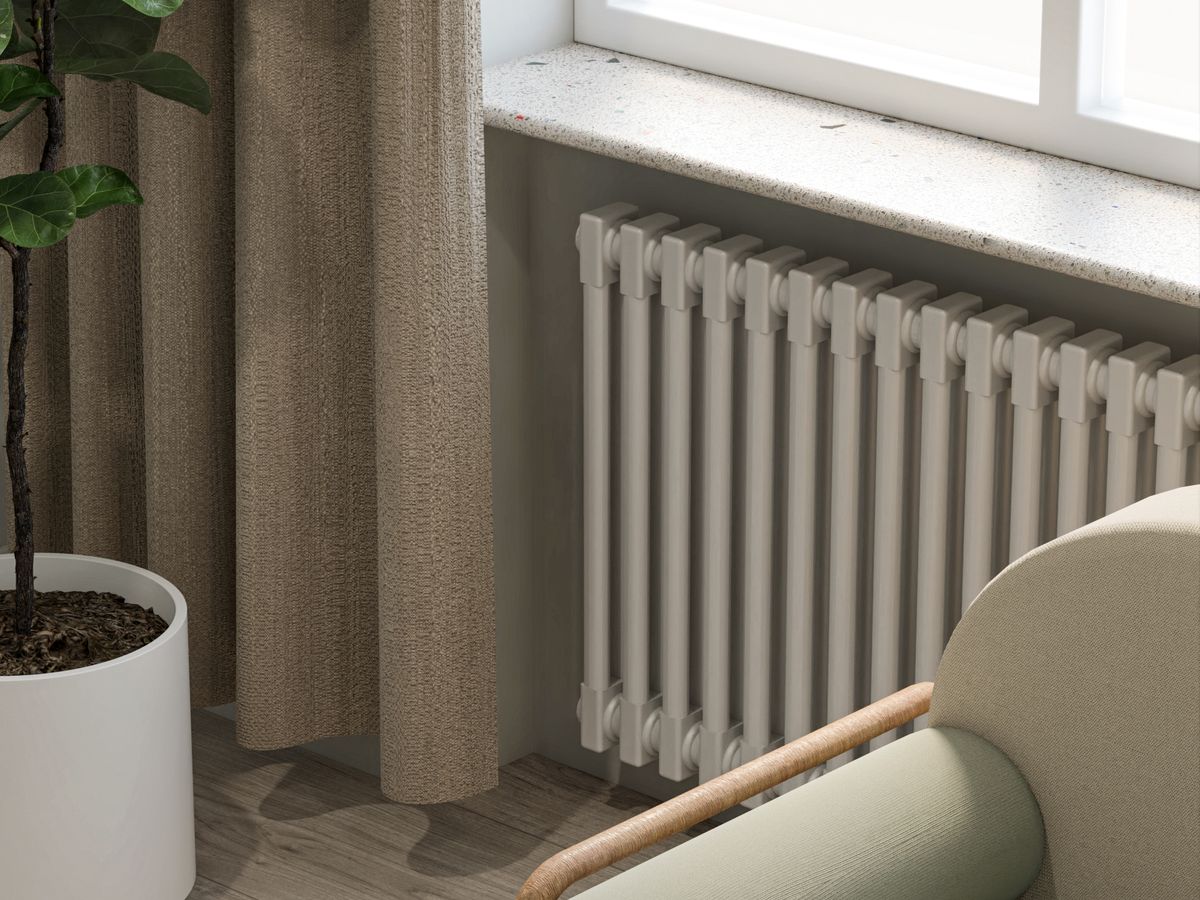
A freestanding radiator cover is the cleanest solution. Unlike wall-mounted versions, a freestanding cover simply sits over the unit, needs no screws, and lifts away for cleaning or move-out.
Covers, screens, and clever distractions
Expect to pay $60 to $180 for a ready-made freestanding cover, or build a simple slatted one for less. If a full cover feels like too much, a decorative folding screen placed a few inches in front does the job for around $40 while keeping airflow open.
For a truly no-build option, position a console table or a narrow bench nearby and let a trailing plant soften the metal lines. The goal when you hide ugly radiators is to break up the shape, not necessarily to bury it.
Disguising a window AC unit without blocking it
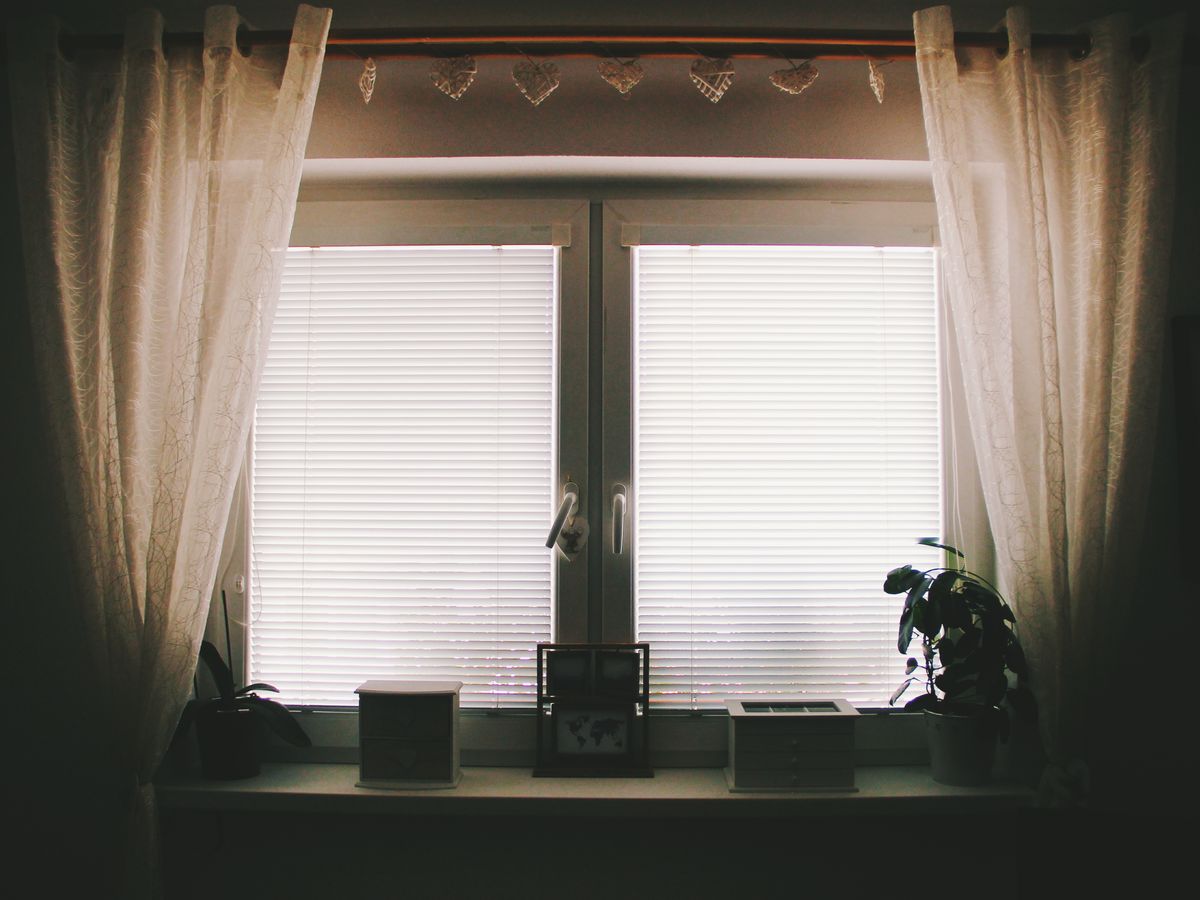
Window AC units are trickier because they need clear intake and exhaust. Never box one in fully; instead, frame it or draw attention away from it.
- Hang a cafe curtain on a tension rod above the unit so fabric frames it softly
- Use a lightweight, removable valance to hide the top edge while leaving vents open
- Place a tall plant or floor lamp to one side to shift the room’s focal point
- Add a slatted, open-front shelf unit around it that never touches the vents
- Choose a decorative screen that stands clear of the airflow entirely
In winter, a fitted fabric cover over an idle unit cuts drafts and hides it at once. Just remember to remove it before the unit runs again.
Other common eyesores and quick fixes
Radiators and AC units get the attention, but rentals hide plenty of other offenders. Exposed pipes, a dated thermostat, an electrical panel, and tangled cords all chip away at a room’s polish.
For an ugly electrical panel, a hinged, removable art frame that hangs from a single adhesive hook keeps access easy while hiding the metal. For cords, adhesive raceways painted to match the wall make them nearly disappear.
Exposed pipes can be wrapped with removable rope or left as an intentional feature with a fresh potted plant at the base. The same reversible thinking behind a good disguise for a bad rental kitchen backsplash applies to almost any fixed eyesore.
Using furniture and layout to redirect the eye
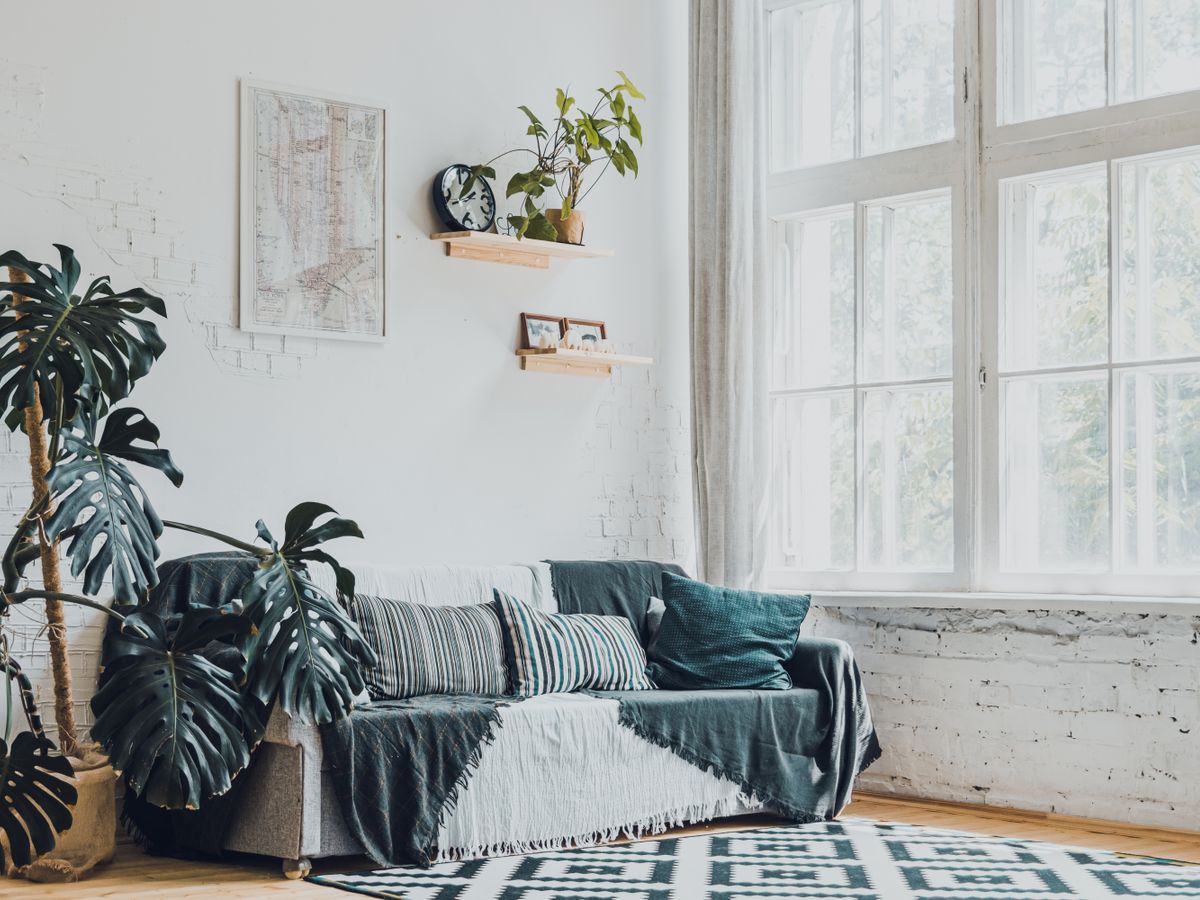
Sometimes the best cover is a better focal point. A bold rug, a gallery wall of adhesive-hung frames, or a statement light fixture pulls attention away from the eyesore entirely.
Freestanding pieces do double duty here, adding storage while blocking sightlines to the ugly stuff. Our roundup of freestanding furniture that solves rental storage problems is full of pieces that hide eyesores and earn their keep.
Budget breakdown: what each fix really costs
Knowing the price range up front keeps a small project from creeping into a big one. Most renters can transform a room’s worst offender for well under $100 if they choose the fix that matches the eyesore.
A folding screen runs about $40 to $90, a freestanding radiator cover $60 to $180, and a tension rod with a curtain to frame an AC unit rarely tops $30. Adhesive cord raceways and a hinged panel-hider cost only $10 to $20 each.
Keep it safe, seasonal and reversible
Airflow and access are the two rules that keep this project landlord-safe. Leave several inches of clearance around any heat source, and make sure valves, vents, and panels stay reachable.
Test for heat and airflow before you settle in
After setting up any cover, run the heat or AC for an hour and feel around the edges. If the fabric or wood gets warm to the touch or the airflow feels weak, pull it back and add more clearance.
If you liked how removable film transformed a window, our guide to removable window film for privacy and style uses the same take-it-with-you approach. For safe clearances around heating equipment, the U.S. Department of Energy home heating resource is a neutral place to confirm the basics.
Room-by-room ideas for the worst offenders
Different rooms call for different tactics. In the living room, a long radiator under the window becomes a bonus surface with a slim freestanding cover topped by books and a plant, turning an eyesore into a display shelf.
In the bedroom, a boxy AC unit reads far softer when a floor-length curtain on a tension rod frames the whole window wall. The fabric hides the sides while the vents stay completely clear.
In a rental kitchen, exposed pipes under the sink disappear behind a simple tension-rod curtain, which also creates a tidy hidden storage nook. It costs about $15 and removes without a trace.
Mistakes that can cost you the deposit
The most common misstep is attaching a cover to the wall or the radiator itself with screws or strong permanent adhesive. That defeats the whole reversible strategy and can leave marks a landlord will charge for.
Another mistake is painting a radiator or AC unit without written permission. Even if it looks better, altering a fixture is exactly the kind of change many leases prohibit, and repainting is billable.
Finally, avoid heavy covers that scratch floors when moved. Add felt pads to the base of any freestanding piece so you can slide it aside for cleaning without leaving a single mark behind. It is a two-minute habit that protects both the floor and your peace of mind on inspection day.
Approach it like styling around a quirk rather than fighting it. Once the eye has somewhere better to land, that beige radiator or bulky AC unit quietly fades into the background of a room you actually enjoy.
Renting the look, not owning the fix
The best part of a reversible approach is that every piece comes with you. A freestanding cover, a folding screen, and a good curtain rod all move to your next apartment, so the money you spend keeps working long after this lease ends.
Think of these fixes as portable upgrades rather than sunk costs. Renters who build a small kit of adaptable pieces spend far less over the years than those who buy fitted solutions for a single unit they will eventually leave.
Your next step
Choose the one eyesore that bugs you most and try the cheapest fix first, whether that is a folding screen or simply moving a plant into place. Living with the result for a week tells you whether it needs more.
With a freestanding cover here and a well-placed lamp there, you can hide ugly radiators, AC units, and other rental eyesores in a weekend, and pack every solution away when the lease is up.

Luiza Ferraz writes about making rental spaces feel like home. Based in Minneapolis, Minnesota, she shares practical, damage-free upgrades, smart organization hacks, and proven ways to protect your security deposit. Her goal is to help renters create beautiful homes without ever picking up a drill.