The boxes are stacked to the ceiling, the couch is at a diagonal in the middle of the living room, and you can’t find a fork, a phone charger, or the will to keep going. Every renter knows that first night when you try to settle into a new rental, sitting on a half-built bed eating takeout, wondering how a pile of cardboard turns back into a home.
It turns back into a home faster than you think, if you unpack with a plan instead of by panic. The trick to settle into a new rental smoothly is sequence, not speed. This is a realistic three-day strategy to settle into a new rental without burning out, working room by room and priority by priority so that by the third evening the apartment actually feels like yours.
Why a three-day plan beats unpacking everything at once
Trying to empty every box on day one is how people end up exhausted, sleeping badly, and still living out of suitcases a month later. The brain treats an overwhelming mess as a threat, so a scattered approach keeps you stressed even as you work, and progress feels invisible because nothing is ever fully finished.
Breaking the job into three focused days gives you small wins and a functioning home at each stage. You’ll have a working bedroom and bathroom on night one, a usable kitchen and living area by day two, and the finishing touches that help you truly settle into a new rental by day three.
This plan assumes you already packed with some structure. If your boxes are labeled by room, unpacking is dramatically faster, which is why the effort you put in earlier pays off now. If they aren’t, don’t panic; you’ll simply sort as you go, starting each day by pulling only the boxes for that day’s target rooms into the open.
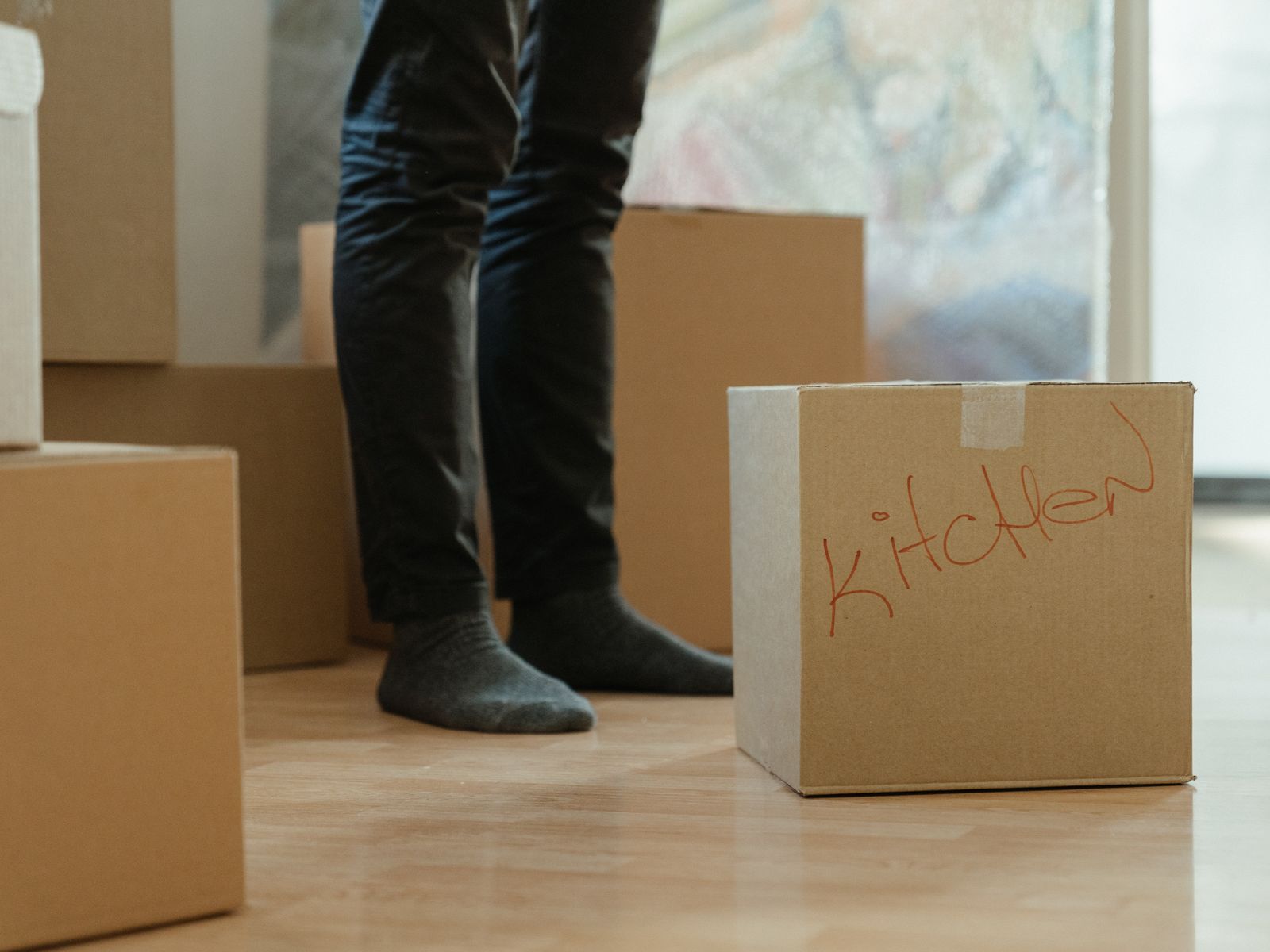
Day 1: the survival essentials
Day one is not about pretty. It’s about being able to sleep, wash, and eat. If you packed an “open first” box, this is its moment; if not, hunt down these essentials before anything else, ideally before the movers or your borrowed truck are gone and you’re too tired to search.
- Bedroom: assemble the bed, put on clean sheets, and set up one lamp.
- Bathroom: unpack toiletries, towels, toilet paper, and a shower curtain.
- Kitchen basics: a kettle or coffee maker, a couple of mugs, plates, and cutlery.
- Comfort: phone chargers, a change of clothes, and any daily medication.
Do a quick safety and condition check too, testing smoke detectors and noting any pre-existing damage with photos. That documentation matters later, and it pairs naturally with the checklist in our guide to first apartment essentials and with the packing approach in how to pack an apartment in one weekend.
Stop while you are still functional
Resist the urge to keep going past the essentials. A good night’s sleep on day one makes days two and three far more productive. Break down the empty boxes you’ve cleared and stack them flat so the space already starts to feel less chaotic.
One more day-one habit worth building: as each box empties, decide immediately whether its contents stay or go. A move is the single best moment to shed things you no longer use, and every item you donate now is one less thing to store in a rental that’s probably tight on space.
Day 2: the kitchen and the living room
With sleep and hygiene handled, day two tackles the two rooms you use most. Start with the kitchen, because a working kitchen means you can cook instead of spending money on takeout all week, and cooking at home is one of the fastest ways a strange apartment starts smelling and feeling like yours.

Unpack the kitchen by zone: cooking near the stove, prep near the counter, dishes near the sink. Decide where things live now rather than shuffling them three times later. If your rental kitchen is short on storage, the ideas in our guide to small rental kitchen organization without a single screw will help you place everything the first time.
Line the cabinets and drawers first if you plan to, since it’s far easier before they’re full. A cheap roll of removable, non-adhesive shelf liner protects rental cabinetry from scratches and stains, and it lifts right out at move-out with no residue. Wipe down the inside of every cupboard while it’s empty; you may never get a cleaner shot at it.
As you settle into a new rental, set up the living room enough to relax: sofa in place, a lamp on, and the TV or a book within reach. You don’t need it perfect, just comfortable enough to enjoy your first proper evening in.
Give a thought to furniture placement before you commit, especially with heavy pieces you won’t want to move twice. Note where the outlets, windows, and radiators are, and leave clear walking paths. In a small rental, floating a sofa a few inches off the wall or angling it toward the light can make the whole room feel larger than the square footage suggests.
Handle utilities and admin early
Somewhere on day two, take twenty minutes for the boring-but-critical tasks: confirm the internet is scheduled or working, locate the circuit breaker and water shutoff, and update your address for mail forwarding. Knowing where the shutoffs are before you need them is the kind of small preparation that saves a soaked evening later.
Day 3: finishing touches that help you settle into a new rental
Day three is where the apartment stops being a landing zone and starts being home. Finish the closet and dresser so your clothes are put away, then turn to the details that make a space feel personal. With the practical rooms already working, this is the fun part, and there’s no rush to finish it in a single day.

Hang a few pictures with damage-free strips, put out books and plants, and place the objects that carry memories where you’ll see them daily. These small, personal touches are what psychologically help you settle into a new rental, far more than having every box emptied.
Engage your senses to speed up that “home” feeling. Light a familiar-smelling candle, play the music you always play, and cook one simple meal you love in the new kitchen. Scent and sound anchor a space to your sense of belonging surprisingly quickly, which is why an apartment can feel foreign until the first real dinner is made in it.
Finally, don’t stress if a few non-essential boxes stay packed past day three. It’s completely normal to have a “deal with later” box or two of seasonal items and paperwork. Tuck them neatly into a closet rather than leaving them on display, and unpack them at your leisure over the following weeks.
How to settle into a new rental without losing your deposit
As you decorate and arrange, keep every change reversible. Use adhesive hooks and strips rather than nails, felt pads under furniture to protect floors, and removable products for any surface you want to cover. Slide furniture rather than drag it, and lift heavy items with a helper so you don’t gouge the flooring on move-in day, which is one of the most common and avoidable deposit deductions.
Remember that what a landlord can deduct for versus normal wear and tear varies by state, city, and your lease, so read your lease and check local tenant resources before making changes. The Consumer Financial Protection Bureau also offers helpful renting and budgeting guidance as you settle in. Keep receipts and photos of the move-in condition in one folder from day one.
Your next step
Before the truck even arrives, label one box “open first” and fill it with the day-one essentials above. That single move makes the whole three-day plan click into place. Give yourself permission to go slowly, celebrate each finished room, and you’ll settle into a new rental feeling rested and at home instead of frazzled and surrounded by cardboard.

Luiza Ferraz writes about making rental spaces feel like home. Based in Minneapolis, Minnesota, she shares practical, damage-free upgrades, smart organization hacks, and proven ways to protect your security deposit. Her goal is to help renters create beautiful homes without ever picking up a drill.