The first night in your very first apartment is a strange, wonderful kind of empty. You have the keys, the echo of bare rooms, and a mental shopping list that somehow includes both “toilet paper” and “matching dining chairs.” It is easy to panic-buy everything at once and blow your budget in a weekend.
Take a breath. You need far less on day one than the internet suggests. This guide sorts first apartment essentials into what you genuinely need right away and what can comfortably wait until your bank account recovers, so you start comfortable without going broke.
How to Think About First Apartment Essentials
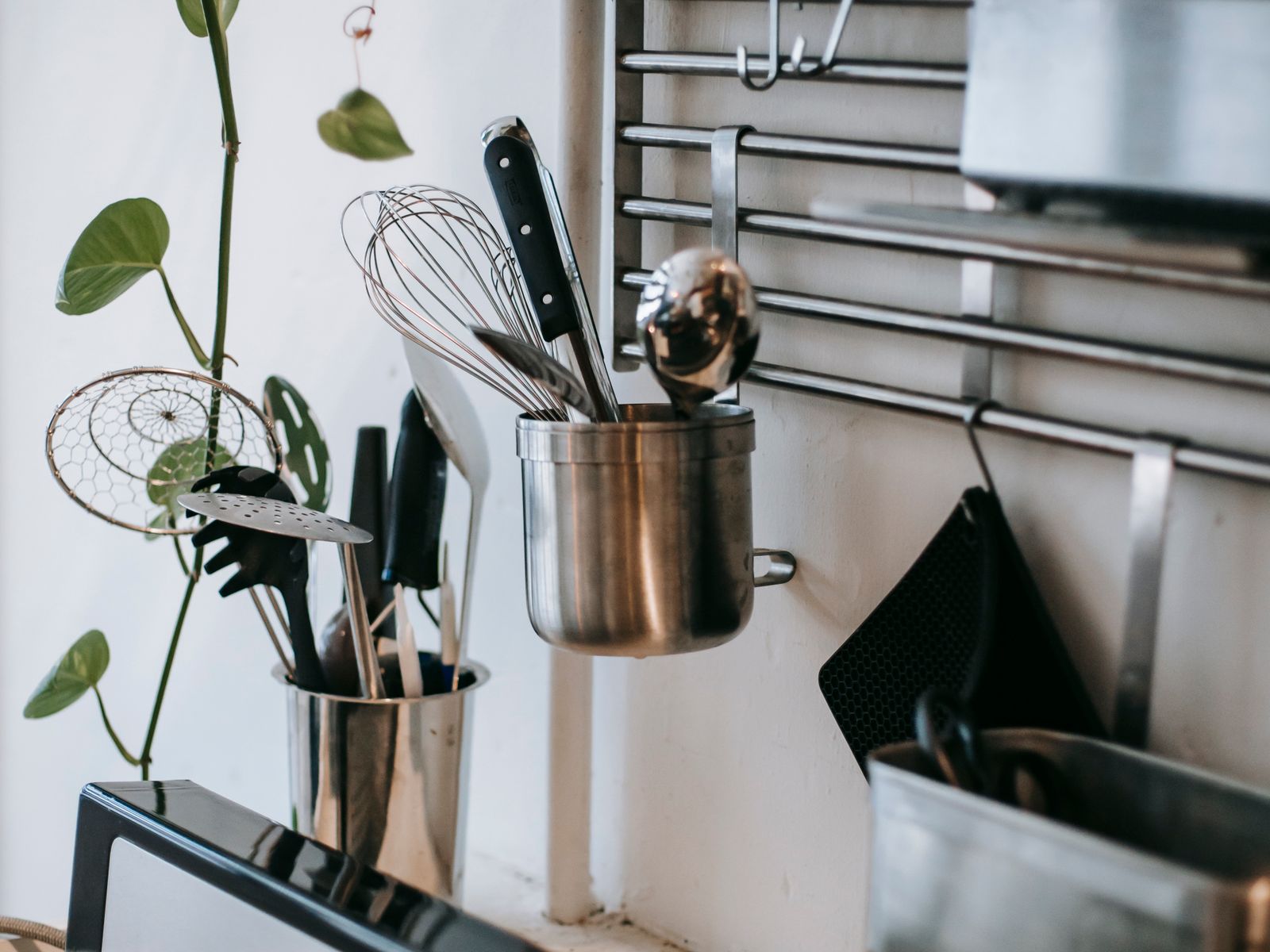
The trick is to separate “need it tonight” from “want it eventually.” Anything that affects sleeping, eating, cleaning, and safety is a true essential. Almost everything else, including most decor and specialized gadgets, can wait.
Build your list of first apartment essentials in tiers, buying tier one before you move in and adding later tiers over your first few paychecks. If you followed a good apartment moving checklist, you already have some of this sorted; if you are starting fresh, the tiers below keep you from over-buying. When the truck is unloaded, a good weekend packing and unpacking plan helps you find those essentials fast.
There is real freedom in this tiered approach. When you resist the urge to furnish everything at once, you avoid the classic first-apartment trap of filling rooms with cheap, ill-fitting stuff you replace within a year. Living with a little emptiness for a few weeks teaches you what the space actually needs, and that patience almost always saves money and results in a home you like more.
Day-One Essentials (Buy These First)
These are the items that make the first night livable. Get them before or on move-in day, because scrambling for them at 10 p.m. is no fun.
- Sleep setup: a bed or mattress, sheets, a pillow, and a blanket.
- Bathroom basics: toilet paper, hand soap, a towel, and a shower curtain if needed.
- Minimal kitchen: one pot, one pan, a knife, a plate, a bowl, a mug, and utensils.
- Cleaning starter: an all-purpose spray, paper towels, trash bags, and dish soap.
- Light and safety: a lamp if fixtures are missing, plus a working smoke detector (ask your landlord).
Notice what is not here: a matching cookware set, a couch, or a coffee table. You can eat, sleep, and shower without any of them.
Do not forget the small, unglamorous items that quietly make a home function: a basic tool kit with a screwdriver and hammer, a few extension cords and power strips, light bulbs, a first-aid kit, and a plunger you will be very glad to already own. None of these are exciting purchases, but needing one at an inconvenient moment is exactly the kind of first-apartment stress worth avoiding.
If you are moving in with a roommate or partner, coordinate before anyone shops. It is remarkably common for two people to each buy a can opener, a colander, and a set of pots while both forgetting a shower curtain. A shared list divided in advance prevents duplicate spending and the small resentments that come from an uneven split, and it means you can pool money toward one better shared item instead of two mediocre ones.
Kitchen and Bedroom: Where to Invest
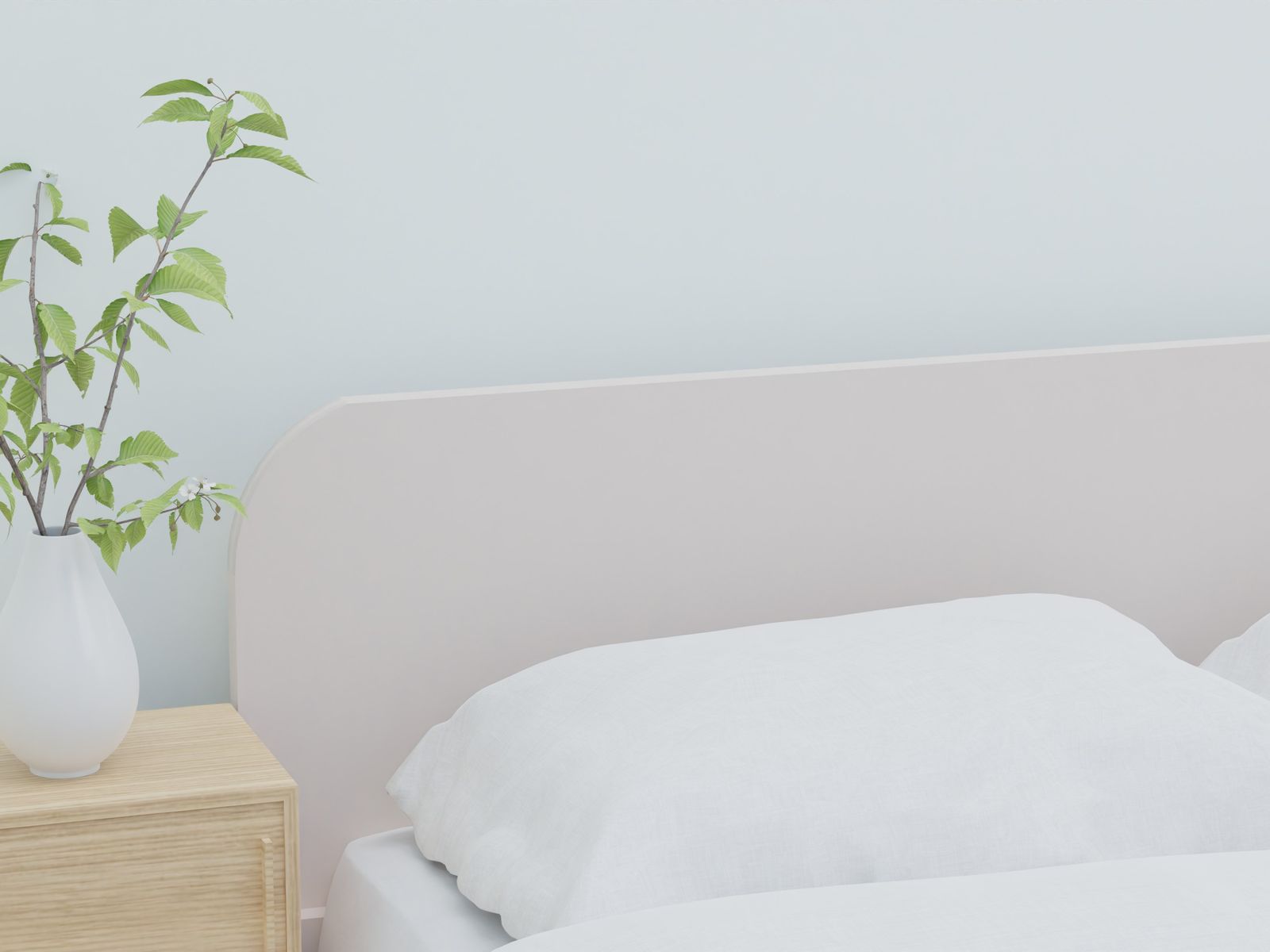
If you spend a little more anywhere, spend it on your mattress and a few versatile kitchen tools. You will use both every single day, and cheap versions wear out fast.
Smart kitchen buys
A single good chef’s knife, one solid nonstick pan, and a sturdy pot cover most cooking. Add storage containers and you can meal-prep from week one. Grouping like items as you unpack makes the space work harder, the same principle behind small rental kitchen organization.
The bedroom can be simple
A supportive mattress matters far more than a fancy frame; many renters start with the mattress on the floor or a cheap platform and upgrade later. Good sheets and blackout curtains do more for your daily life than a headboard ever will.
Borrow and buy used first
Before buying anything new, check what friends and family are giving away and browse local secondhand listings. Furniture, dishes, and small appliances turn over constantly and are often nearly free. Save your new-purchase budget for the few things that genuinely benefit from being new, like a mattress and pillows, and let everything else be gently used.
What Can Absolutely Wait

Here is the permission slip you needed: your living room does not have to be finished. A comfortable spot to sit and a way to eat are enough while you save for the rest.
Things that can wait weeks or months without hurting your daily life include a full couch and matching furniture, decorative pieces and art, a dining set (a small table or even a folding one works at first), specialty kitchen appliances, and a second set of anything. Buying these slowly also lets you learn how you actually use the space before committing money to it.
It also helps to shop your list in order of how much time you spend with each item. You sleep for a third of the day, so the bed comes first. You use the kitchen daily, so basic cookware is next. A statement rug or gallery wall, however tempting, touches your life far less, so it belongs near the bottom of the list no matter how good it would look on move-in day.
Budgeting Your First Apartment Essentials
A realistic starter budget for tier-one items is often a few hundred dollars if you shop secondhand and borrow where you can. Thrift stores, marketplace listings, and hand-me-downs from family can cover a surprising amount.
Remember that setting up an apartment is also when many move-in costs hit at once, from deposits to utility setup. Keep a cushion for those, and know that what a landlord can require or charge varies by state, city, and lease; general references like HUD’s tenant rights resources are a useful starting point, alongside your local tenant office.
Give yourself a realistic timeline, too. Most people take a few months, not a few days, to fully set up a first apartment, and that is completely normal. Aim to have the day-one tier before you sleep there, the comfort tier within a couple of weeks, and the nice-to-haves whenever your budget genuinely allows. Treating the setup as a gradual project rather than a single frantic shopping trip is easier on your wallet and your stress levels alike.
One more mindset shift that helps: your first apartment essentials are a foundation, not a finished portrait. The version of your home you imagine, with the right couch, the art on the walls, the plants in the window, will come together over time as you learn the space and your budget allows. Rushing to that image on day one usually means overspending on choices you would make differently a few months in, once you actually know how the light falls and where you like to sit.
Keep a running “need soon” note on your phone as you live in the space that first week. You will discover gaps you never anticipated, like the lack of a drying rack or a spot for keys, and you will realize some things you assumed were essential never come up at all. Letting real life reveal the list, rather than guessing it in advance, is the most reliable way to spend your money where it counts.
The Bottom Line
Your first apartment does not need to be complete to be a home. Cover the true first apartment essentials, sleep, food, hygiene, cleaning, and safety, and let everything else arrive at the pace your budget allows. A half-furnished apartment you can afford beats a fully furnished one on a credit card.
Your next step: write your own tiered list tonight, mark only the day-one items, and buy just those before move-in. Give yourself permission to fill in the rest over the next few months, one paycheck at a time.

Luiza Ferraz writes about making rental spaces feel like home. Based in Minneapolis, Minnesota, she shares practical, damage-free upgrades, smart organization hacks, and proven ways to protect your security deposit. Her goal is to help renters create beautiful homes without ever picking up a drill.