Every renter knows the small panic of move-out day: you set your keys on the counter, glance at the scuffed baseboard by the couch, and wonder whether that faint mark is going to cost you three hundred dollars. The line between what you owe for and what the landlord simply absorbs has a name, and it matters more than almost anything else on your final ledger.
Understanding normal wear and tear is the difference between getting your deposit back and arguing over it for weeks. This guide walks through what the phrase usually means, what tends to fall on the other side of the line, and exactly what to check in your lease before you ever hand back the keys.
What normal wear and tear actually means
Normal wear and tear refers to the gradual, expected deterioration that happens when a person simply lives in a space. It is the slow fading of paint near a sunny window, the light traffic path worn into carpet after two years, the tiny nail holes from a picture you hung in the hallway.
Landlords are generally expected to absorb these costs as part of doing business, because they happen no matter how careful a tenant is. Damage, by contrast, is harm that goes beyond ordinary use: a wine stain ground into the carpet, a cracked window, a door kicked off its hinge.
The pattern is intuitive once you see it, but the exact boundary is where most deposit disputes live. Two reasonable people can look at the same faded wall and disagree, which is why documentation matters far more than opinion.
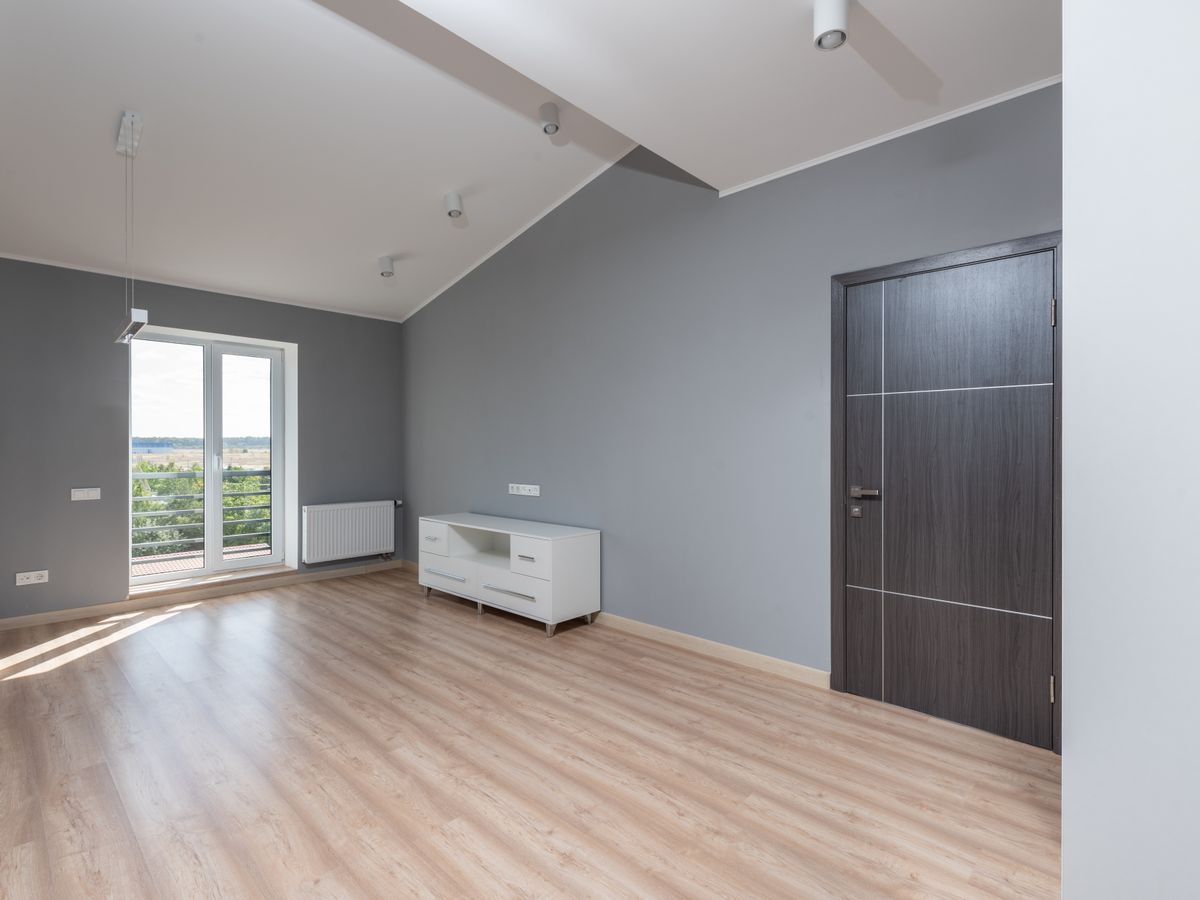
Wear versus damage: everyday examples
The clearest way to internalize normal wear and tear is to look at side-by-side cases. A landlord repainting after a long tenancy is routine; a tenant painting a bedroom deep purple without permission is not. Here is how the two columns usually sort out.
- Usually wear: faded paint, minor scuffs on walls, a few small nail holes, lightly worn carpet in walkways, loose grout, a sticky door from humidity.
- Usually damage: large or numerous holes, unauthorized paint colors, pet urine stains, burns or deep gouges in flooring, broken tiles, missing fixtures.
- It depends: a single scuffed floor, a stained countertop, or a cracked blind can go either way depending on how long you lived there and the item’s expected lifespan.
The “useful life” idea that decides gray areas
That last category is where the concept of useful life comes in. Carpet, paint, and appliances all have an expected lifespan, and a fair landlord prorates any charge against how much life was left. A carpet with a five-year useful life that you damaged in year four cannot reasonably be billed to you at full replacement cost.
Interior paint, as a common example, is often treated as having a two-to-three-year life. If you lived somewhere four years, a full repaint is usually considered a landlord expense regardless of a few scuffs. Knowing these rough timelines helps you push back on charges that ignore them.
Cleaning is its own frequent flashpoint. Leaving a unit “broom clean” is normal; leaving grease baked onto an oven or mold in a neglected bathroom crosses into damage territory. A landlord can usually charge for cleaning that goes beyond what a reasonable tenant would leave behind, but not for the routine dusting and wiping that any turnover involves.
Why the rules vary so much
Here is the honest caveat: there is no single national definition. What counts as normal wear and tear, how deposits must be handled, and how quickly a landlord must return your money all vary by state, by city, and by the specific language in your lease.
Some states cap deductions and require an itemized statement within a set number of days, sometimes 14, sometimes 30 or more. Others are far looser and leave much to the lease. A deadline missed by the landlord can even entitle you to extra remedies in certain places.
Because of that, treat any general rule of thumb as a starting point, not a guarantee. Always read your own lease and check your local tenant resources before assuming a charge is fair or unfair. A good national orientation point is the HUD tenant rights portal, which links out to state-specific offices and rules.
What to look for in your lease
Pull out your lease and read the deposit clause slowly. Look for how the deposit amount is defined, the deadline for its return, whether cleaning fees are separate, and any list of conditions the unit must be returned in.
If the lease references a move-in checklist, that document is your best friend later. Highlight any clause that mentions professional cleaning or carpet shampooing, since those are frequent sources of surprise deductions.

How to protect yourself before move-out
Your strongest protection is evidence gathered on day one. Time-stamped move-in photos of every wall, floor, and fixture make it nearly impossible for a landlord to bill you for pre-existing wear. It takes about 30 minutes and can save you hundreds. Our guide on how to document your rental’s condition with photos walks through the exact shots to take.
Throughout your tenancy, handle small issues before they escalate into damage. A quick fix for scuffs and marks on rental walls costs a few dollars in cleaning supplies and 15 minutes, versus a possible repainting charge. The cheaper habit almost always wins.
Budget-friendly touch-ups that pay off
A tube of spackle runs about $4 to $8, a magic eraser sponge around $1 each, and a small can of matching paint roughly $15. For under $30 and an afternoon, you can erase most of the marks that a landlord might otherwise flag.
If you plan far enough ahead, moving in smart also helps; a solid move-in inspection sets the baseline for every later conversation. The half hour you spend at the start quietly does the heavy lifting at the end.

What to do if you are charged unfairly
If your itemized statement lists charges you believe are normal wear and tear, respond in writing and keep it calm and factual. Reference your move-in photos, point to the item’s useful life, and cite the relevant clause in your lease. Many disputes resolve once a landlord realizes you have documentation.
If it does not resolve, small claims court is designed for exactly this and is inexpensive to file, often $30 to $75 depending on the amount. Your state consumer protection office, often reachable through resources like the FTC consumer site, can point you to local procedures. Again, remember that deadlines and remedies differ by jurisdiction, so verify against your own state’s rules.
Tone matters more than most renters expect. A landlord who feels attacked digs in; one who receives a polite, evidence-backed note often refunds without a fight. Frame your message as clearing up a misunderstanding rather than accusing anyone, and give a specific deadline for a response.
One more habit pays off quietly: ask for a pre-move-out walkthrough a couple of weeks before you leave. Many landlords will point out anything they intend to charge for, which gives you time to fix a $6 problem before it becomes a $200 deduction. Not every jurisdiction requires this, so ask early and get any promises in writing.
The bottom line for renters
Normal wear and tear is meant to protect tenants from paying for the simple passage of time, but the protection only works if you know where the line sits and can prove which side your unit falls on. Read the deposit clause, photograph everything at move-in, and keep small marks small.
Your next step: tonight, open your lease to the deposit section and write down the return deadline and any condition requirements on a sticky note. Then check your local tenant resource page so you know your rights before move-out, not after.

Luiza Ferraz writes about making rental spaces feel like home. Based in Minneapolis, Minnesota, she shares practical, damage-free upgrades, smart organization hacks, and proven ways to protect your security deposit. Her goal is to help renters create beautiful homes without ever picking up a drill.