Some rental floors are just… a lot. Scuffed laminate the color of a manila folder, cracked vinyl from three tenants ago, or carpet in a shade that was never anyone’s first choice. You cannot rip it out, and staring at it every day slowly wears on you.
The reassuring news is that you can cover ugly rental floors completely, and reversibly, without a single call to your landlord or a cent of your deposit at risk. From giant rugs to peel-and-stick tile to floating floors that click together, here are the renter-safe ways to hide a floor you cannot stand.
Before You Cover Ugly Rental Floors: The Ground Rules
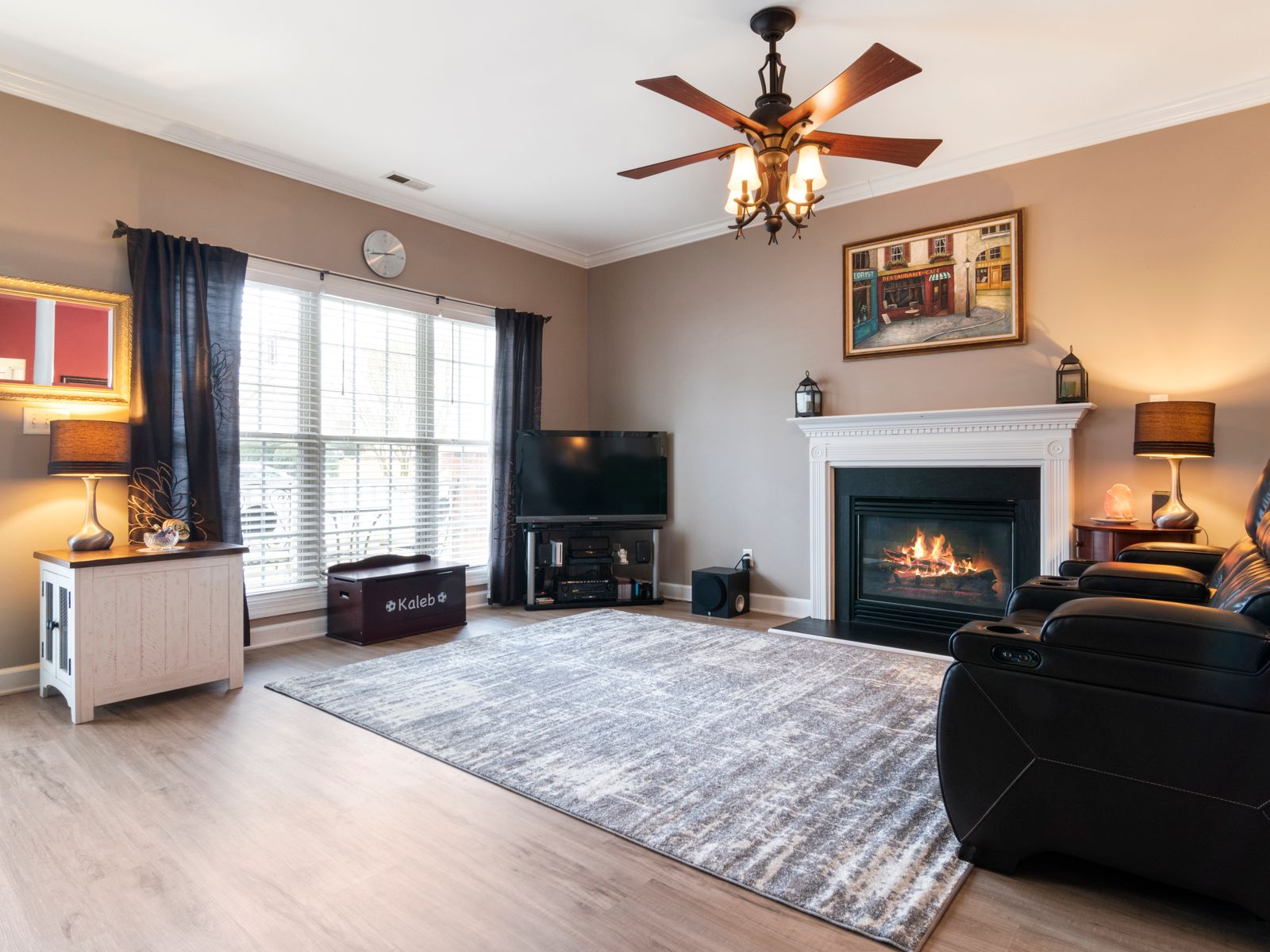
Every method here follows one principle: it must come up cleanly and leave the original floor undamaged. That rules out permanent adhesives on wood, painting the floor, or anything that could stain or scratch what is underneath.
Before you cover ugly rental floors with anything adhesive, know your existing surface. Peel-and-stick products behave very differently on sealed vinyl than on old hardwood, and the wrong combination can lift finish. This is the same reversible thinking behind other renter-friendly upgrades you can undo in a day.
One caution worth stating plainly: what counts as floor damage versus normal wear varies by state, city, and your lease. Test any adhesive in a closet corner first, keep the original floor protected, and check your lease and local tenant resources, such as HUD’s tenant rights resources, if you are unsure.
It is easy to underestimate how much a floor sets the mood of a whole room. Walls and furniture get most of the attention, but the floor is the largest single surface you see, and a dated or damaged one drags everything else down with it. That is exactly why covering it, even partially, can make a rental feel dramatically more like home for surprisingly little money.
Option 1: Big Rugs (the Easiest Fix)
The simplest way to cover ugly rental floors is also the most forgiving: a large area rug. The mistake most renters make is buying one too small, which highlights the ugly floor around its edges. Go big enough that your furniture’s front legs sit on it.
Layering for full coverage
For truly bad floors, layer a large, inexpensive natural-fiber rug (like jute) underneath a smaller, prettier one. This hides more surface area affordably and adds texture. Add a non-slip, non-staining rug pad rated as floor-safe to keep everything in place and protect the floor beneath.
Rugs also solve problems beyond looks. They soften noise in echoey apartments, add warmth over cold tile, and protect the original floor from your own wear and tear, which can only help at move-out. In a rental, a great rug is doing three jobs at once, so it is worth spending a little more on one you genuinely love.
Option 2: Peel-and-Stick Floor Tiles
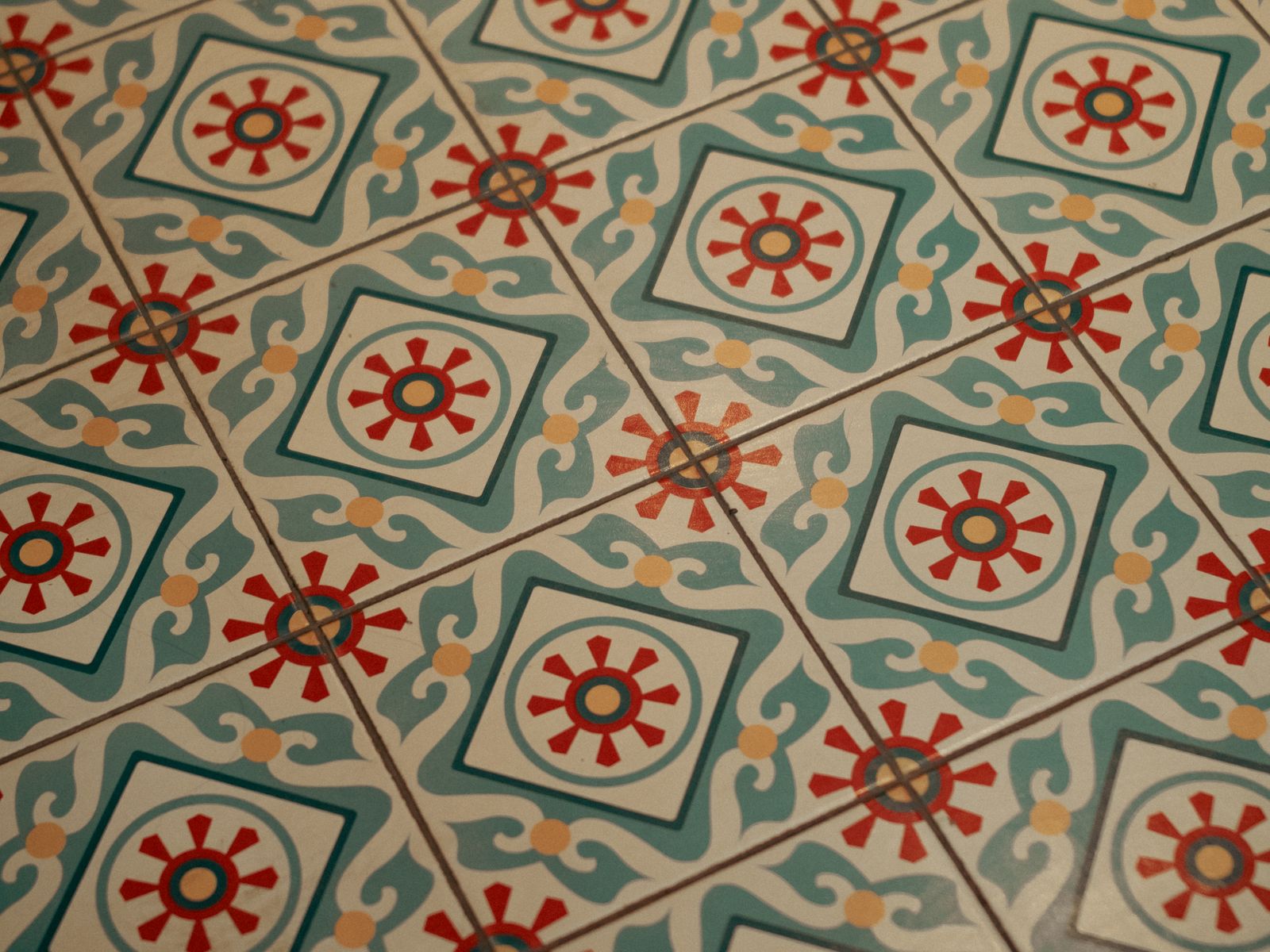
Peel-and-stick vinyl tiles are a game-changer for kitchens, bathrooms, and entryways. They come in patterns from marble to Moroccan, cost roughly $2 to $5 per square foot, and cut with scissors or a utility knife.
For renters, the safest approach is to lay them over an existing hard floor you know is sealed, or to lay a removable base layer first so the adhesive never touches the original surface directly. Warm the edges with a hair dryer to lift them cleanly at move-out. Keep a few spare tiles for repairs, the same way you would with a peel-and-stick wallpaper project.
Prep and patience pay off
Whichever hard-floor method you pick, preparation makes or breaks the result. Clean the floor thoroughly, let it dry, and work from a straight reference line rather than the wall, since rental walls are rarely perfectly square. Dry-lay a row first to check the pattern and spacing before you commit, and take your time on the first few pieces; the rest go faster once you find your rhythm.
Option 3: Floating Floors and Interlocking Tiles
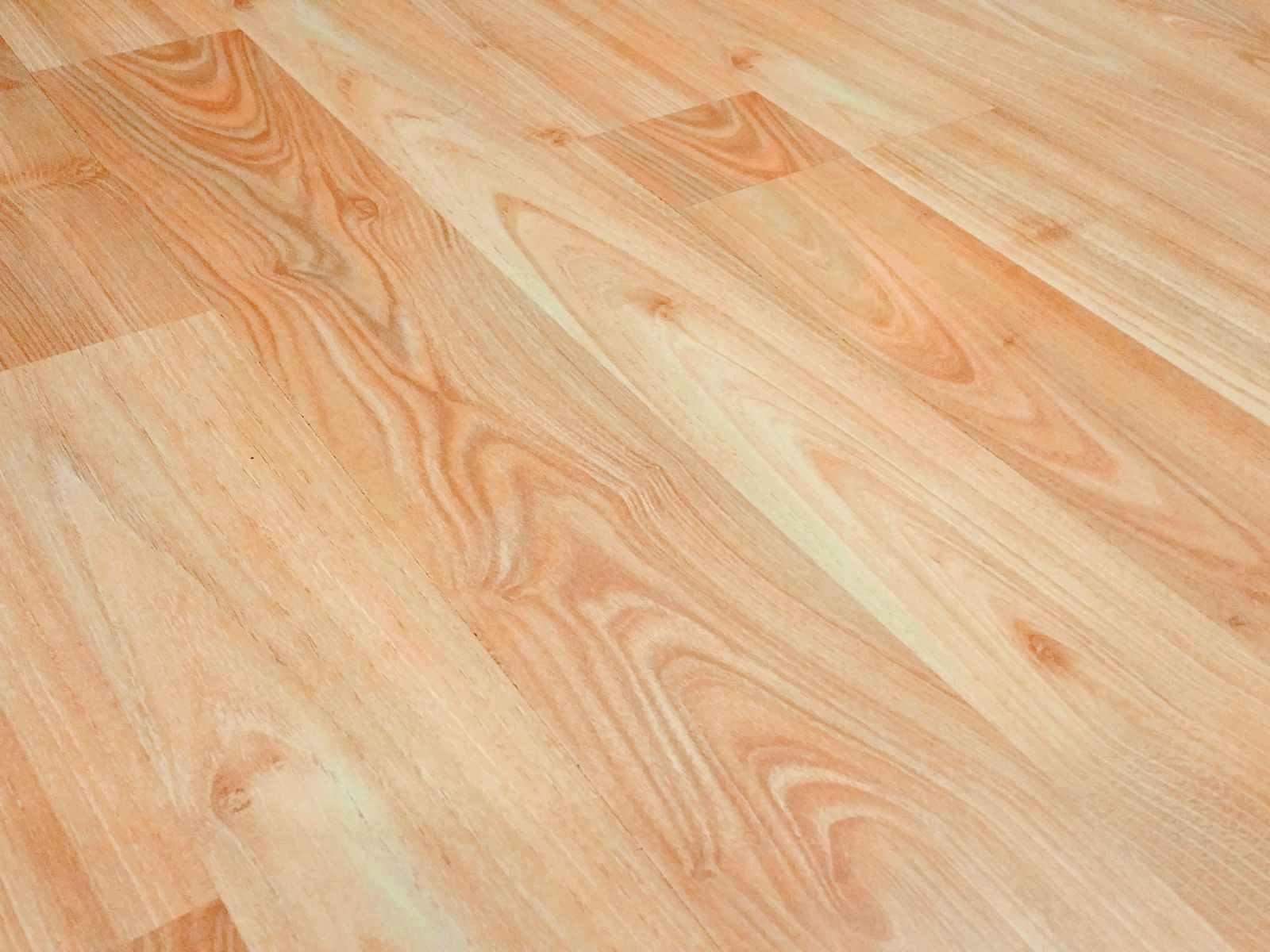
For the most dramatic transformation, floating floors sit on top of the existing floor without any glue at all. Click-together vinyl planks, interlocking foam or rubber tiles, and modular carpet tiles all lay loose and lift right back up when you leave.
These cover ugly rental floors so convincingly that guests assume it is the real thing. They cost more (roughly $1.50 to $4 per square foot for planks) and take a weekend to install, but they are entirely removable and travel to your next apartment if the dimensions work.
Budget is usually the deciding factor, so it helps to see the range at a glance. A large area rug can run anywhere from $60 to several hundred dollars depending on size and material. Peel-and-stick tiles land around $2 to $5 per square foot, and floating vinyl planks $1.50 to $4 per square foot plus a weekend of your time. For most renters, starting with a rug and adding a hard-floor solution only where a rug will not work keeps the total reasonable while still covering the worst offenders.
Which Method Fits Your Floor?
Choosing comes down to your budget, the room, and how bad the floor is. Use this quick guide to point yourself in the right direction.
- Cheapest and fastest: a large area rug (or layered rugs) in living rooms and bedrooms.
- Best for small hard-floor rooms: peel-and-stick tiles in kitchens, bathrooms, and entries.
- Best full transformation: click-together vinyl planks over a whole room.
- Kid- or pet-friendly play areas: interlocking foam or rubber tiles.
- Rentals with strict no-adhesive rules: rugs and floating floors only, no stick-down products.
When a floor is truly beyond cosmetic help, or if it is damaged in a way that could be a safety issue, tell your landlord in writing rather than covering a problem that is theirs to fix.
Keep move-out in mind from the very first tile. Photograph the original floor before you cover it, so you can prove its condition later, the same habit that helps when you fill nail holes before moving out, and store any leftover materials and instructions together. When it is time to leave, removal should be as reversible as installation, which is the entire point of doing it the renter-safe way.
Do not overlook the emotional payoff, either. Renters often hold back from decorating because the space is not permanent, but covering an ugly floor is one of those changes that instantly signals “I live here and I care about it.” That small act of ownership tends to make people treat the rest of the apartment with more care too, which is good for both your mood and your deposit.
If you share the apartment, floating floors and rugs are the easiest to agree on, because they require no permanent decisions and can be split or taken by whoever wants them at the end of the lease. Peel-and-stick tile is best reserved for a spot everyone agrees on, since removing it is a shared chore. A quick conversation about who owns what when the lease ends saves a lot of awkwardness later, and keeps a shared project from becoming a shared argument.
A last practical note on maintenance: whatever you lay down, clean under it periodically. Grit trapped between a rug and the floor, or moisture sealed under tiles in a bathroom, is what actually causes damage over time, not the covering itself. Lift rugs to sweep beneath them and make sure hard-floor coverings in wet rooms can dry, and your renter-safe floor fix will stay genuinely damage-free right up to move-out day.
The Bottom Line
An ugly floor is one of the most common rental complaints, and one of the most fixable. Whether you throw down a generous rug, click in a floating floor, or tile over a sealed surface, you can cover ugly rental floors beautifully and reverse it all on moving day.
Your next step: measure the room and decide how much floor you actually need to hide. For most spaces, start with the biggest rug your budget allows, live with it for a week, and only escalate to tiles or planks if the floor still bothers you.

Luiza Ferraz writes about making rental spaces feel like home. Based in Minneapolis, Minnesota, she shares practical, damage-free upgrades, smart organization hacks, and proven ways to protect your security deposit. Her goal is to help renters create beautiful homes without ever picking up a drill.