The first time you price out moving supplies, the sticker shock is real. A moving-company box kit can run fifty to a hundred dollars or more, bubble wrap is weirdly expensive, and somehow you’re paying real money for cardboard you’ll flatten and toss in a week. For a move that’s already draining your savings, buying air-filled plastic feels like the last insult.
Take a breath, because you can pack an entire apartment for almost nothing, and end up with less waste, if you get a little resourceful and start early. The trick is to gather free boxes early and lean on packing materials you already own instead of buying new ones. Here’s how to move with minimal boxes using cheap and free packing materials, without your fragile things paying the price.
Where to find free boxes
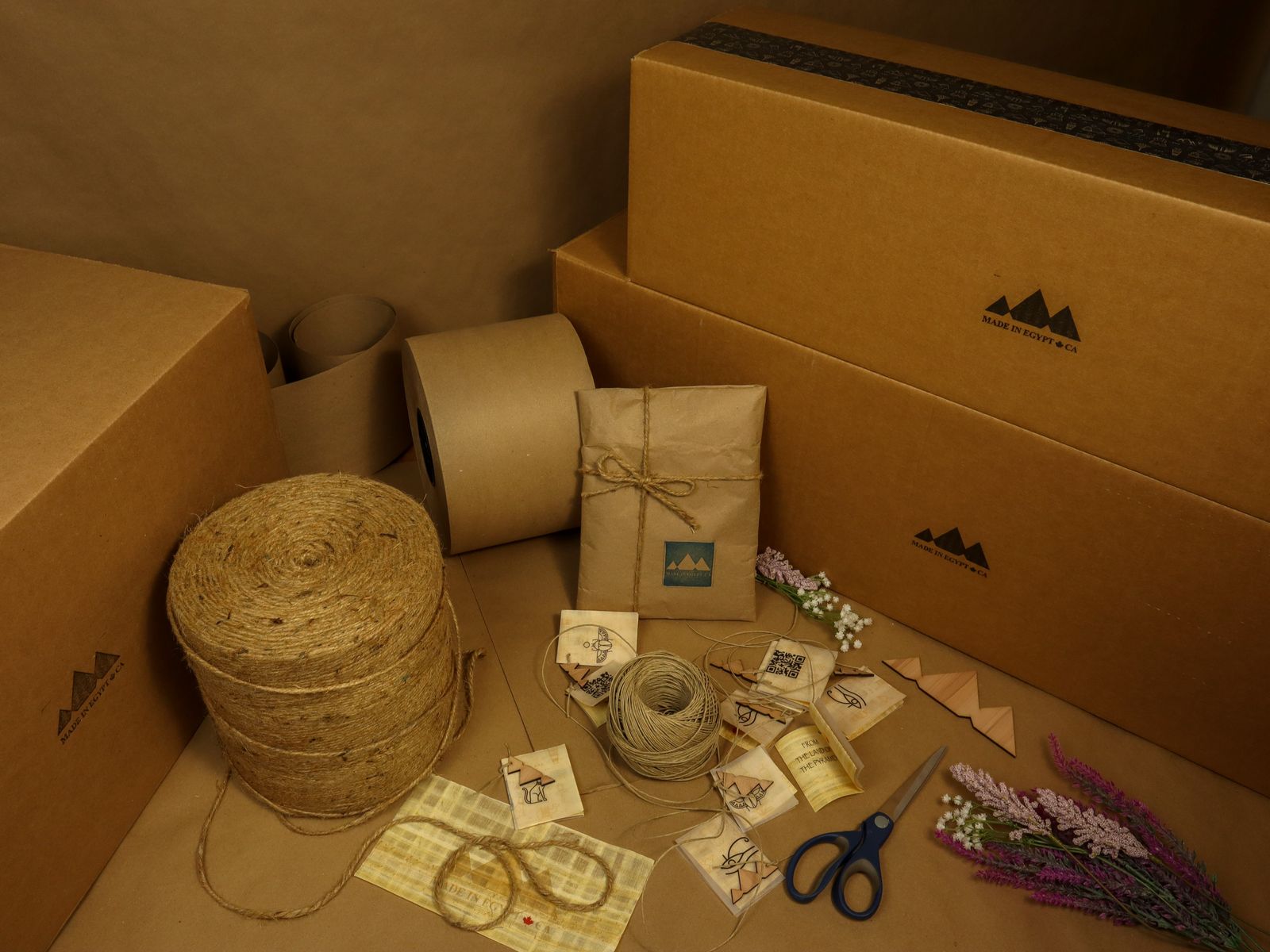
Boxes are the single biggest supply cost, and they’re also the easiest to get for free if you start a couple of weeks ahead. The stores near you throw out sturdy boxes daily, and most staff are happy to hand them over rather than break them down themselves.
- Liquor stores: the best-kept secret; their boxes are small, extremely strong, and often have dividers perfect for glasses.
- Grocery and big-box stores: ask the staff when they break down stock, usually early morning or late evening.
- Buy-nothing groups and marketplace listings: people who just moved are desperate to give boxes away.
- Your workplace: printer-paper boxes are uniform, strong, and come with lids.
Aim for a few sizes: small boxes for heavy items like books, medium for everyday goods, and a couple of large ones for light bulky things. Too many giant boxes is a rookie mistake, because a big box full of books becomes impossible to lift.
Check the boxes before you take them. Skip anything damp, greasy, or soft at the corners, since a weak box fails at the worst moment. Give questionable ones a firm squeeze, and make sure the flaps still fold flat so you can tape them securely. A dozen strong free boxes beat thirty flimsy ones every time.
The packing materials already in your home
Here’s the money-saver: most protective packing materials are hiding in your closets and drawers right now. Before you buy a single roll of bubble wrap, shop your own home, room by room, and you’ll rarely need to buy padding at all.
Towels, blankets, and bedding wrap large fragile items and cushion the bottom of boxes. Socks slide over glasses and stemware. T-shirts and sweaters wrap plates and bowls beautifully, and oven mitts make perfect padded sleeves for anything with a handle. Because you have to pack these soft goods anyway, using them as padding means they do double duty and save you a fortune in packing materials.
Paper you already have
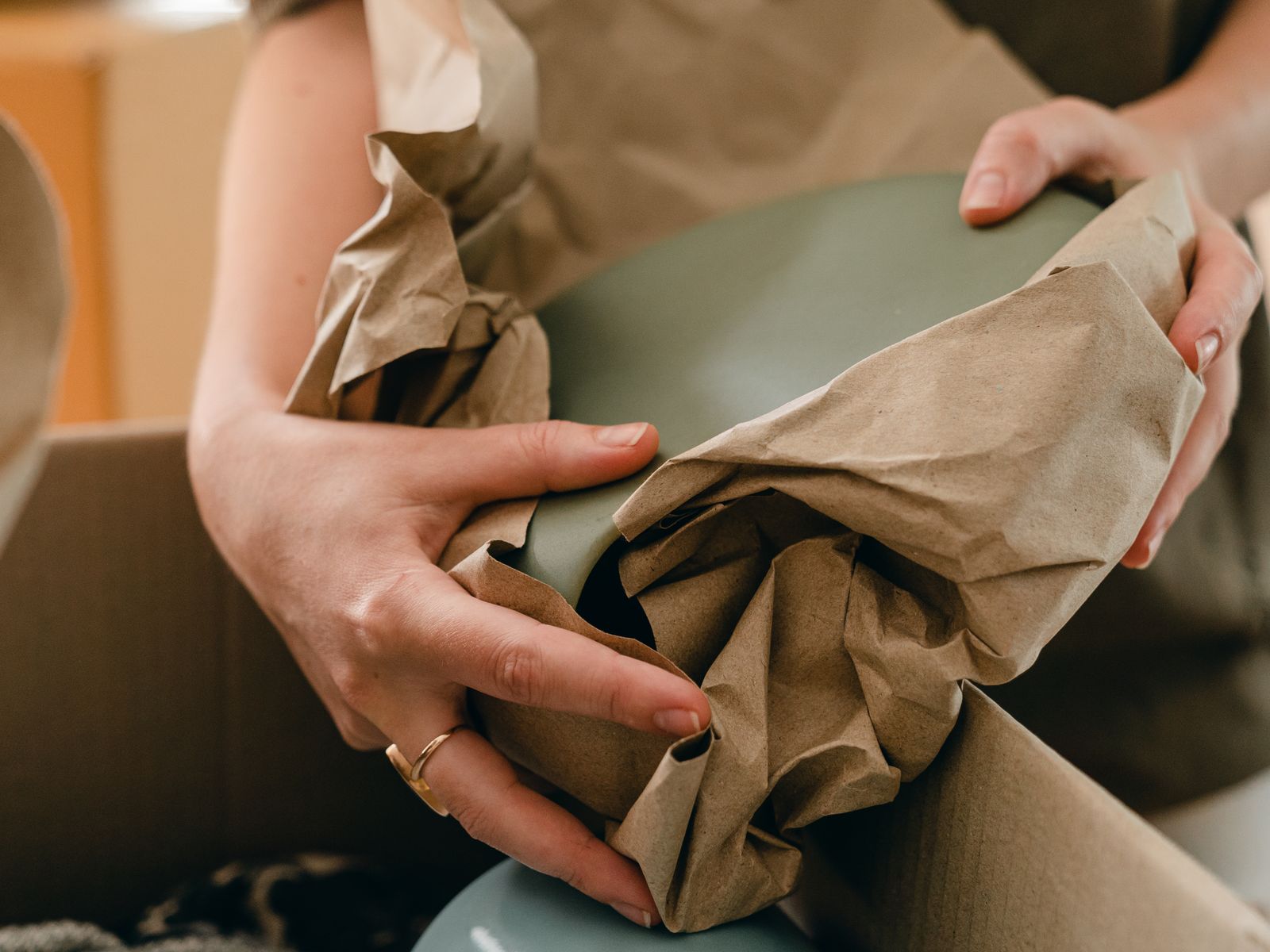
Newspaper, junk mail, printer paper, and grocery bags all crumple into void fill. Just keep newsprint off things it can smudge, like white ceramics, by using a clean sheet next to the item first. It’s free, and it keeps paper out of the recycling bin for one more useful trip.
Egg cartons cradle small fragile items, toilet-paper tubes protect cords and jewelry chains from tangling, and shoeboxes make ready-made dividers. Once you start seeing your recycling as free packing materials, you’ll be surprised how little you actually need to buy. The week before a move is the one time hoarding a bit of clean cardboard and paper genuinely pays off.
Pack containers you already own
Why pay for boxes when your home is full of containers that need moving anyway? Suitcases, duffel bags, laundry hampers, storage bins, and backpacks are all boxes you already own, and the wheeled ones save your back on the trek to the truck. Reusable grocery totes and even large pots and drawers can carry a surprising amount when boxes run short.
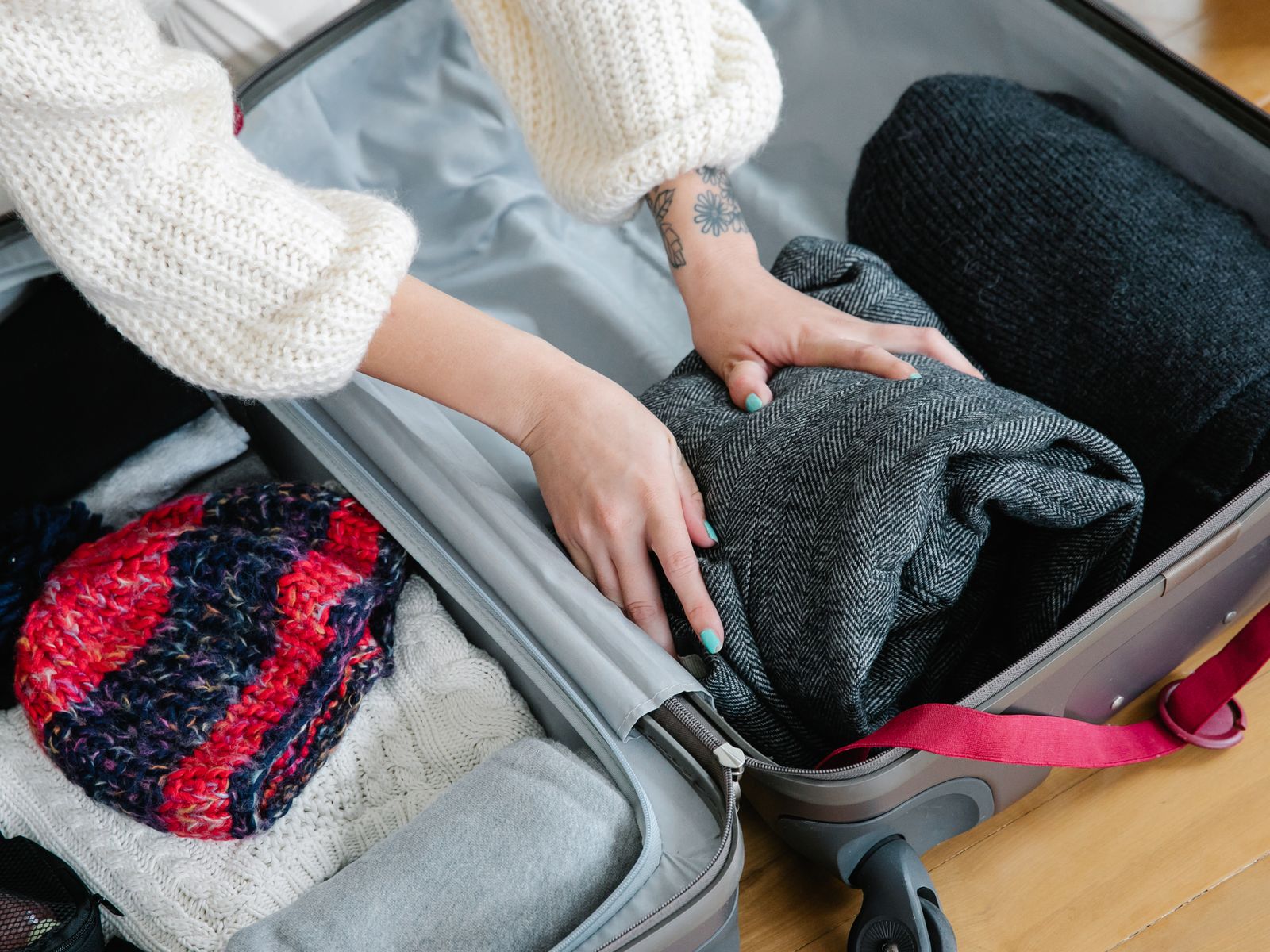
Fill suitcases with heavy items like books and pantry goods so their wheels carry the weight instead of your arms. Leave clothes in dresser drawers and simply wrap each drawer in a blanket or plastic, or wrap the whole dresser if it’s light enough to lift safely. Keep clothes on hangers and slip a garbage bag over a bunch of them, tying the neck around the hooks, for an instant wardrobe box you can hang straight up in the new closet. This is exactly the kind of efficiency that powers our guide to packing an apartment in one weekend.
Protect fragile items without buying anything
Fragile things are where people panic and overspend, but soft goods protect dishes and glass just as well as bubble wrap. The key is technique, not product.
Stand plates on their edges rather than stacking them flat, cushioned between layers of towels, so they resist pressure. Nest bowls with a sock or cloth between each. Fill every gap in a box so nothing shifts, and label the fragile ones clearly so they ride on top and get carried carefully.
For glasses and stemware, a clean sock is the perfect free sleeve, and the divided liquor-store boxes mentioned earlier keep them upright and separated. Wrap knife blades in a folded dish towel and rubber-band it so nobody reaches into a box and gets cut. Test each packed box by giving it a gentle shake; if you hear or feel movement, add more soft packing materials until it’s silent and snug.
Keep a running donate pile
The cheapest packing materials are the ones you never need because you got rid of the item first. As you pack, keep a donate box going for anything you haven’t used in a year. Every bag you drop off is one less box to buy, carry, and unpack, and it makes the new place feel lighter from day one.
The few things worth buying
Frugal doesn’t mean buying nothing. A couple of small purchases save time and prevent disasters, and they’re cheap.
Good packing tape is non-negotiable; a box that bursts costs you far more than the tape, so buy the real thing rather than a bargain roll that peels. A marker for labeling, a few colored stickers to code boxes by room, and a roll or two of stretch wrap for awkward items round out the kit. Everything else can be free. Fold this into a wider plan using our complete apartment moving checklist, and think about what you actually need to keep, since less stuff means fewer boxes, an idea our guide to vertical storage ideas can help you sustain in the new place.
A note on your deposit
Minimal boxes still means careful handling, both at the old place and the new one. Use furniture sliders or a blanket under heavy pieces so you don’t gouge the floor, protect door frames when carrying wide items through, and lift rather than drag. Damage caused during a move can come out of your deposit, and what counts as damage versus normal wear and tear varies by state, city, and your lease, so read your lease and check local tenant resources such as the USA.gov renting guide.
Timing is everything with free supplies. Start collecting boxes two to three weeks out so you’re not scrambling the night before, and flatten and stack them so they don’t take over your living room. A steady trickle of free boxes is far less stressful than a last-minute panic buy, and it lets you be picky about quality.
Your next step
Starting today, save every sturdy box that comes your way and set aside a corner for them. Then, the weekend before your move, shop your closets for towels, blankets, and suitcases before you spend a dime. Moving with minimal boxes and free packing materials isn’t just cheaper; it’s less wasteful and often faster, and it proves you never needed that pricey box kit in the first place.

Luiza Ferraz writes about making rental spaces feel like home. Based in Minneapolis, Minnesota, she shares practical, damage-free upgrades, smart organization hacks, and proven ways to protect your security deposit. Her goal is to help renters create beautiful homes without ever picking up a drill.